The Rift valley of Ethiopia is a natural highway, and the original world wide web.
Since beyond human memory it has funneled animals and people north and south, and served as a message network linking Africa’s interior to the world outside. Like data trails, each creature has left a record of its passing, however ephemeral.
Such pathways, stamped into dust or worn into rock, are beautiful to behold, and I think of walking them as a topographic dance, timed to the rhythms of the land. Built by living brains and sinew, they are adagio passages grooved into the landscape, colored by the materials and surfaces they traverse. Often, they lead towards water. They contour the gentlest slope.
Using satellite imagery, Harvard archaeologist Jason Ur has found subtle depressions, or “hollow ways,” in the earth that trace the routes of ancient migrations.
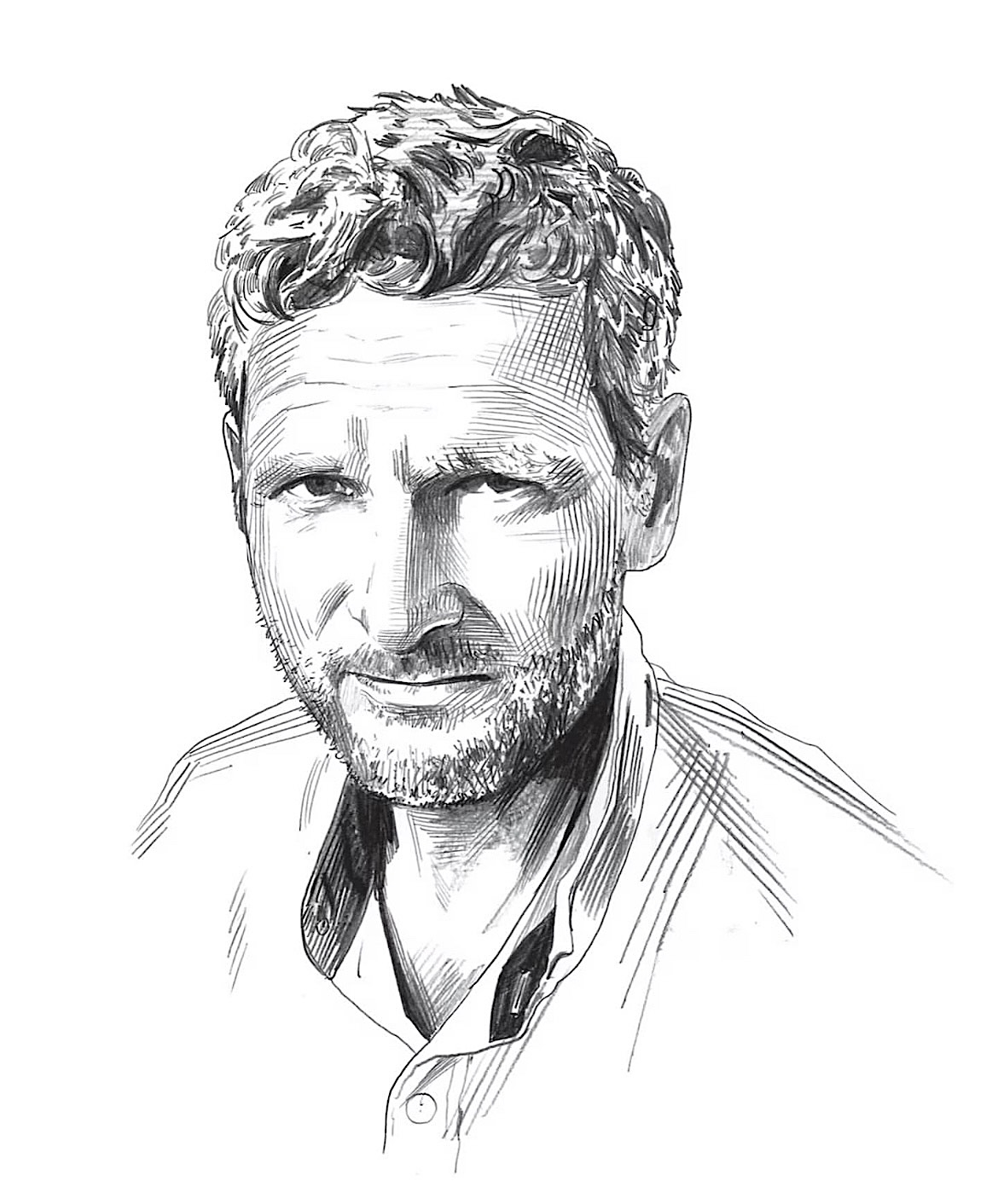
Paul Salopek
In the attached slideshow, guides Ahmed Alema Hessan and La’ad Howeni, two Afar herdsmen, follow a blaze left by antelope. They sing a traditional caravan song as they walk. Its ancient refrain: Move your legs.
As I trudge along behind them, wireless messages are soaring above us like thoughts, crisscrossing the world at the speed of light. What impressions will they leave behind that resonate with human beings 50 thousand years from now? Will they dance to the contours of the earth? Will they be beautiful, or even worth a glance?
All across the world, I’ve been struck by the elegance of the lines that humans and animals leave behind them in the ground. Jason Ur, a Harvard archaeologist, regards these as ancient communication networks. Using satellite imagery, he has found subtle depressions, or “hollow ways,” in the earth that still trace the routes of ancient migrations in the Levant. A year from now, when I reach there, I plan to dance in their ghostly groove.