From its first dusty step the Out of Eden Walk was framed as a shared journey.
This long walk isn’t mine: It belongs to everyone, because all of our ancestors blazed the pathways I now follow—the compass points of human need and fear, of wonder and curiosity, that in the Stone Age led us questing out of Africa and across the unknown world.
Today, we make this idea concrete by launching “Trail Gallery,” a periodic feature that will showcase the creative work of the people who, for vastly different and complicated reasons, choose to join me as local guides and walking partners.
As I pause for the duration of an icy winter in the Republic of Georgia, I can look back at the many souls who led me, almost miraculously, over the span of two years and nine countries, to this resting place: a pastoral elder in Ethiopia, a failed candidate to the parliament of Djibouti, the melancholic crew of a Syrian camel boat, a Sudanese herder, a brave female Saudi journalist, a Bedouin in mourning, an Israeli minstrel, a young Georgian high school graduate who carried in his pack, as a totem of longing and belonging, the hunting knife of his dead father.
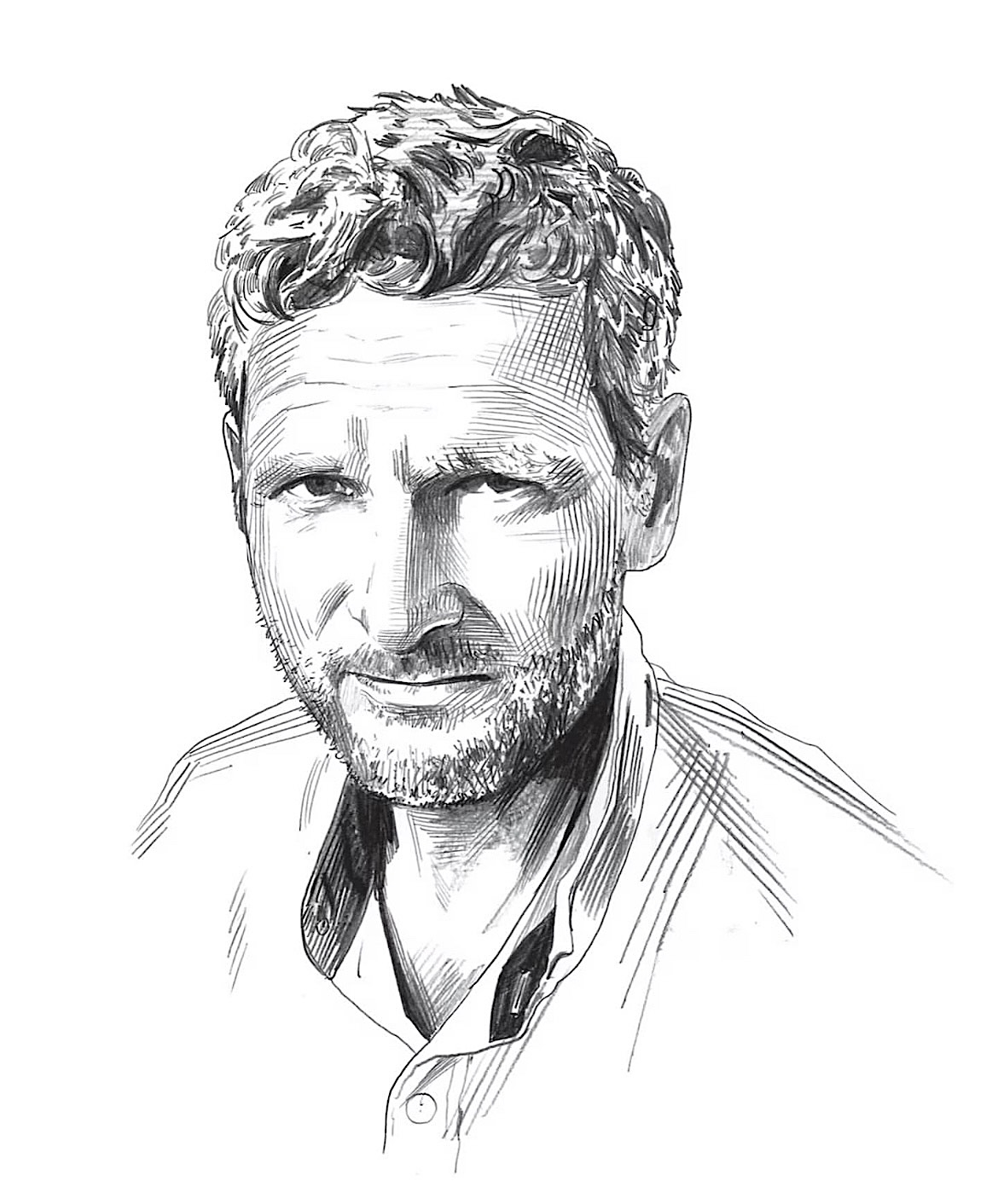
Some of these fellow walkers appear as characters in my dispatches. Others work behind the scenes. All have more than their own stories to tell. They are artists in their own right. Yuval Ben-Ami, my guide in Galilee, is a talented folk musician. Mohamad Banounah, my desert brother of the Hejaz, is writing a book. And the two men who traversed the frozen Caucasus of Turkey and Georgia with me—the Kurd Murat Yazar and the Frenchman Matthieu Chazal—are accomplished photographers; they logged our passage with cameras, so it is only fitting to start the Trail Gallery with them. National Geographic photo editor Kim Hubbard curated the following selection of their work from the route.
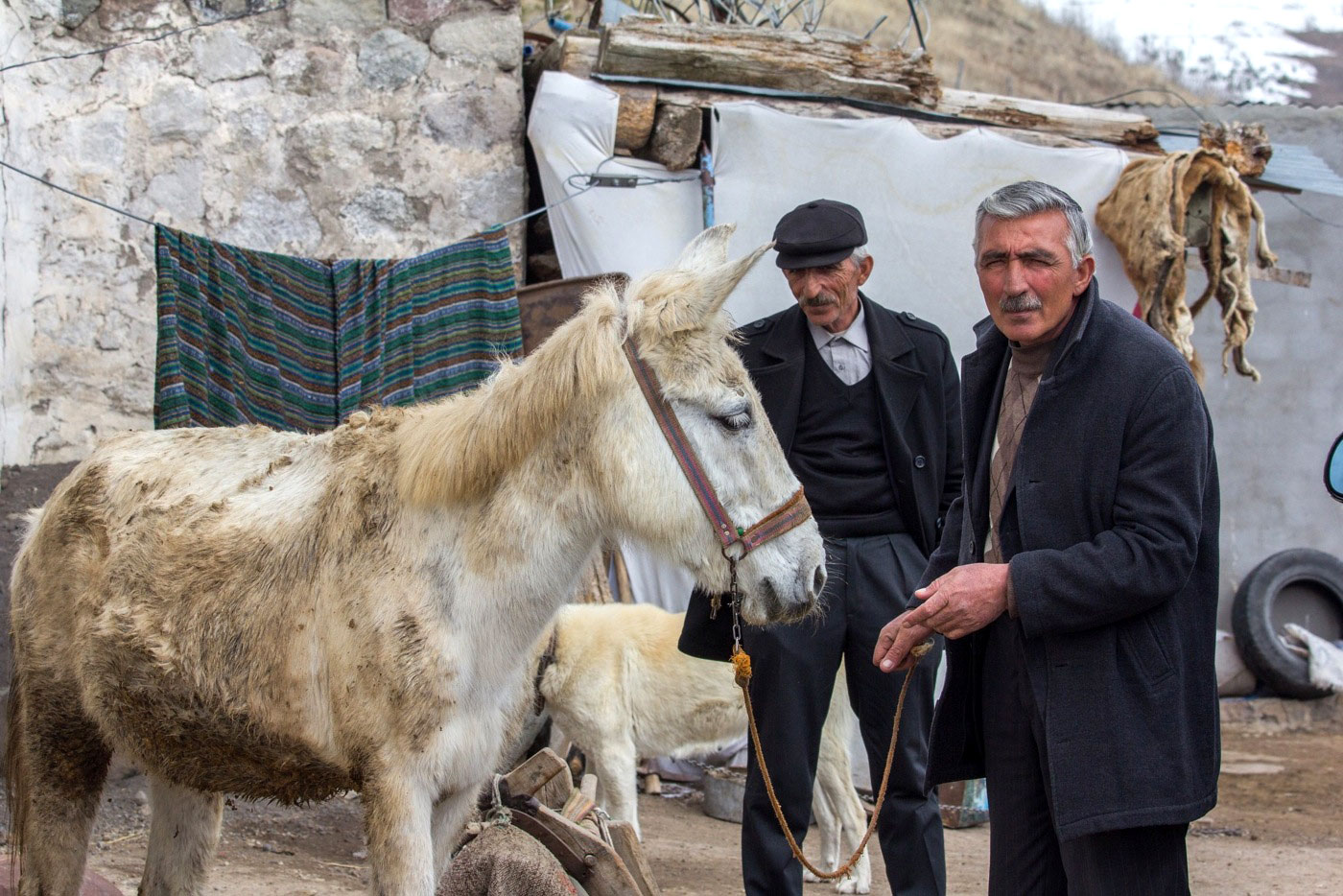
Murat Yazar is a street photographer and humanitarian who walked more than 600 miles (1,000 kilometers) in eastern Turkey. We met, on the recommendation of an acquaintance, over a lunch of kebab in the bazaar in Şanliurfa. We quickly agreed to trek up the Euphrates together for four days. We ended up spending more than three months in each other’s company. Murat teaches photography, and his documentary work on refugees, Kurdish nomads, and the ordinary people of Anatolia has been exhibited in Turkey, France, Germany, and Hungary. Murat watches closely, as if his life depended on it.
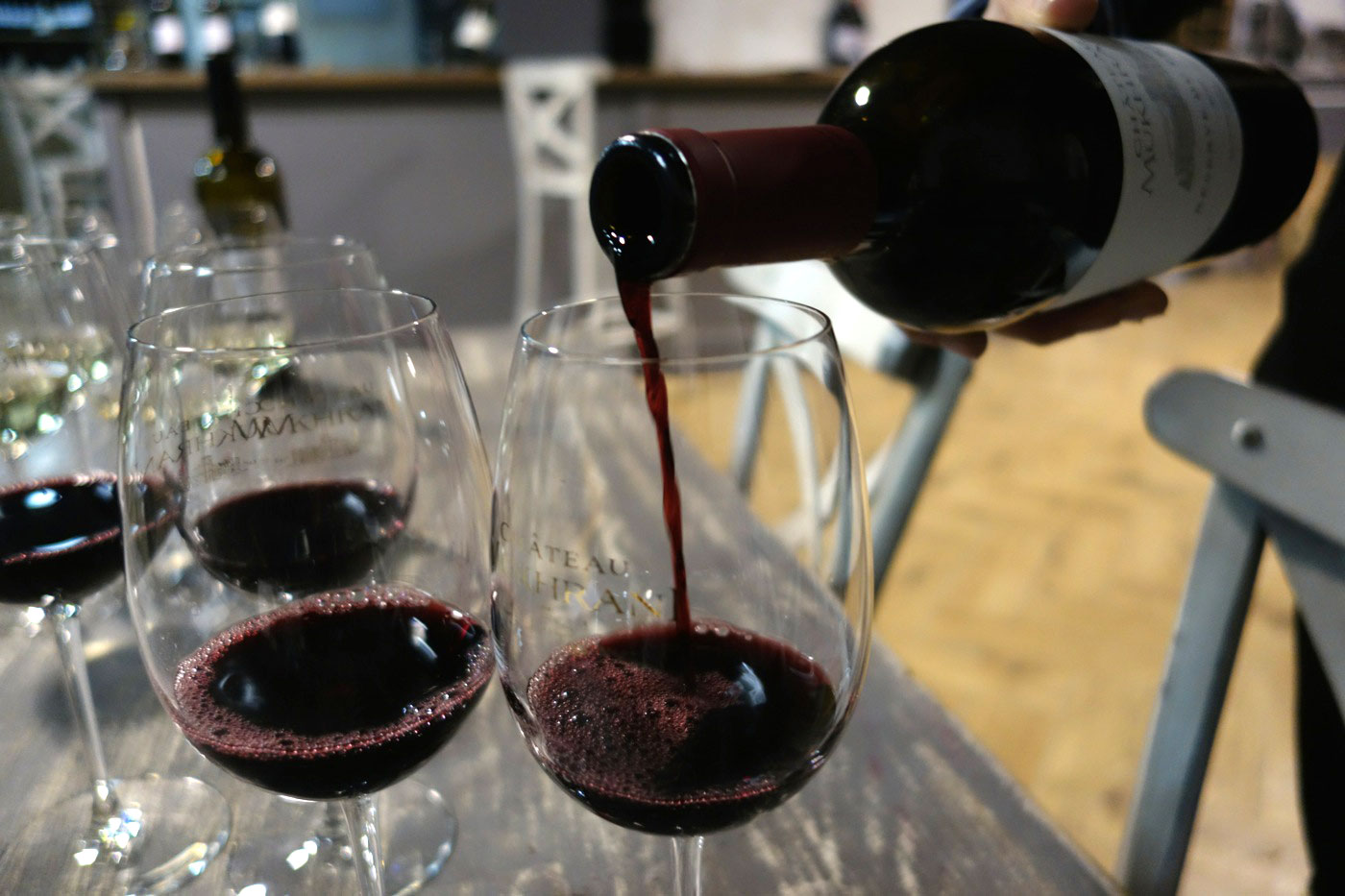
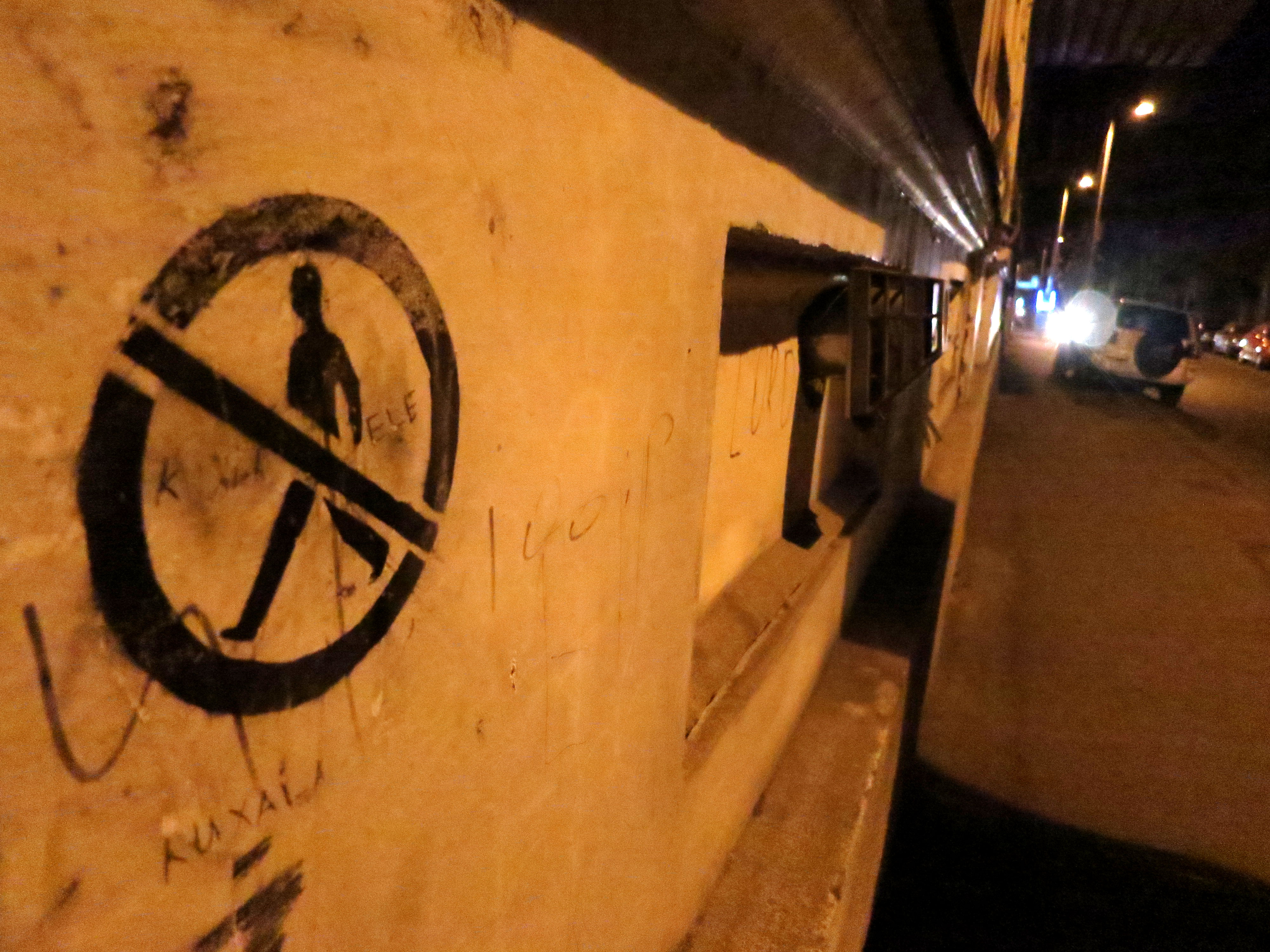
Matthieu Chazal is a writer and philosopher from Bordeaux who picked up a camera years ago and began a visual pilgrimage that has taken him to Turkey, the Caucasus, and Africa. Matthieu walked about 220 miles (350 kilometers). His storytelling approach matches the walk’s ethos. He has spent years observing the lives of the Roma, and his lyric vision often captures the fleeting surreality, the opera, of the everyday. (His photos of dead dogs along the roads of Anatolia are weirdly gorgeous.) He works entirely in old-fashioned film. He saw the fruits of his labor only after returning to France—yet another bond with the walk: the vanishing ability to wait.
Readers ask: How do I meet walking partners?
There is no formula.
Mostly, it is by bush telegraph. Mostly, by serendipity. I get passed, like a human baton, from hand to hand across continents. Some of these guiding hands will belong to poets, watercolorists, dancers, singers, other writers. Their art will reside in the Trail Galleries. My walk and their walk—your walk—is no solo effort. Ours is a medley of footsteps.
* *
Matthieu Chazal
I joined the Out of Eden Walk in Kars, far eastern Turkey, where I’ve been before, by bus or train. Walking, my first impression was my proximity with the landscape—for a photographer, a collection of horizons and scenery. Then, the slow rhythm of the walk consented me this: meeting the people living on the side-roads we took, the remote villages we reached. Long walks are favorable to discourse, to tea breaks and night stays in homes—singular occasions for pictures. Crossing—physically—the borders between Anatolia and Caucasus has been a unique way to slowly apprehend the geographical and human dimensions of this territory.
Murat Yazar
When Paul Salopek offered to walk together, I wasn’t sure I could do it. A lot of us as humans forget to walk in our lives. Because we go everywhere with transport, walking isn’t important, whether for long or short journeys. We don’t like to walk. When I started to walk in Anatolia, I realized that I didn’t know my country well. I live here, but walking gave me an opportunity to rediscover my world and my life. Walking teaches us it’s not so necessary to be fast in life and spend all our time working. When you walk, you need to talk with people in villages, towns, and farms, and this makes you connect with others in a different way. Walking taught me more than this. I now look into my life in ways that are quieter and deeper than before.