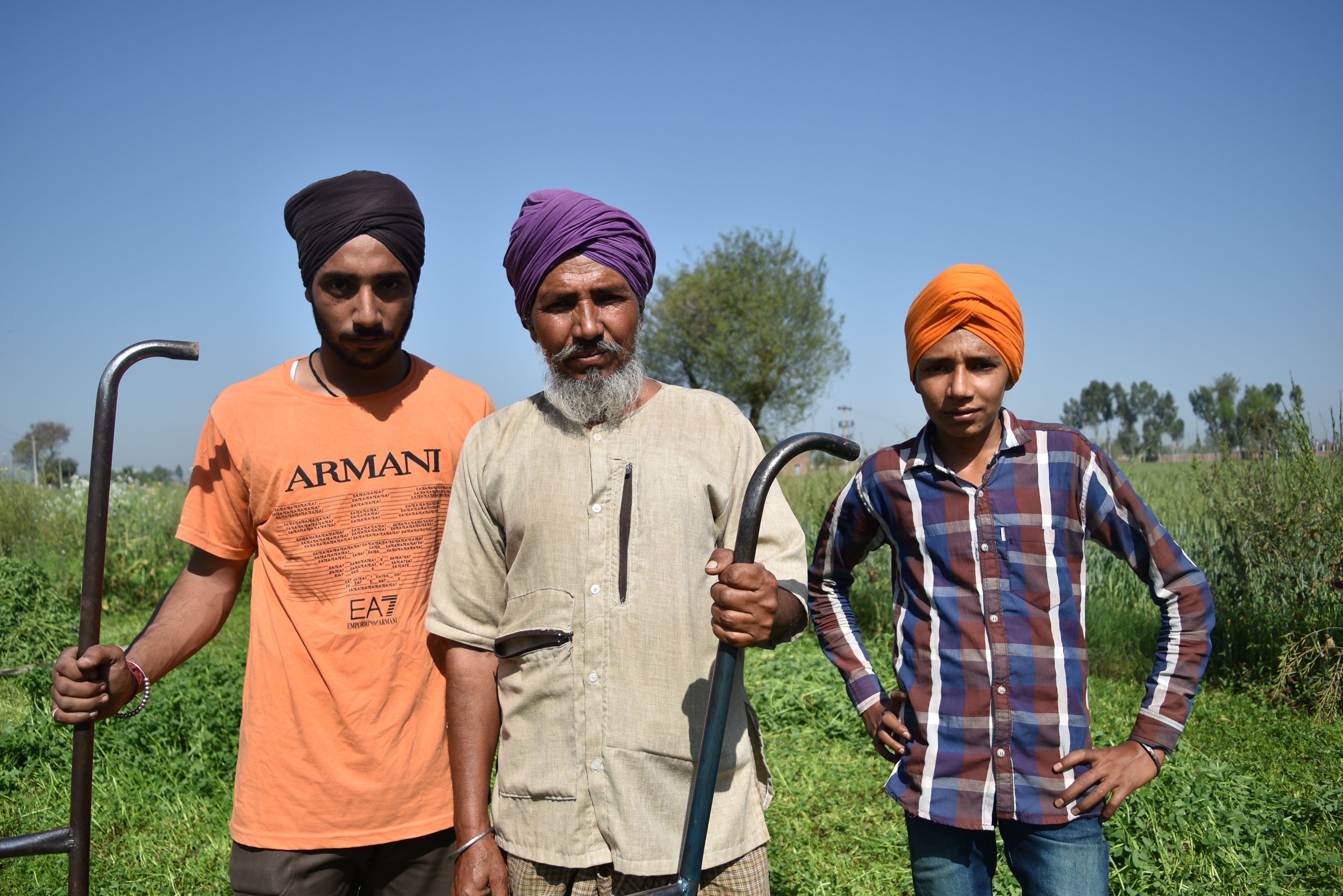
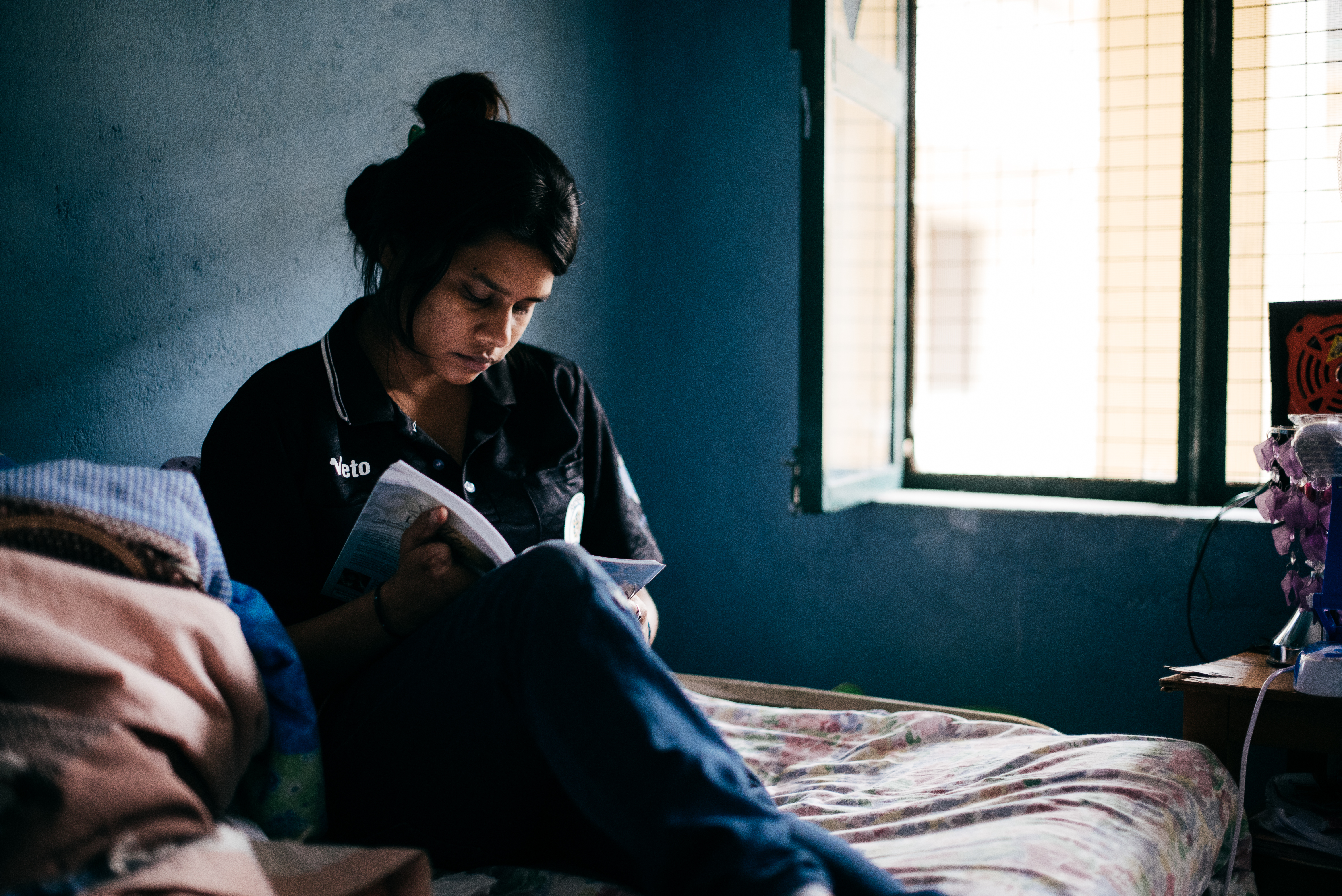
One Indian reporter, a photojournalist, focused on the trials and minor triumphs of migrant workers colonizing the streets of Old Delhi. Another covered a pair of historic mosques offering peace and shelter to Muslim women. A third found street dentists from Uttar Pradesh practicing on the sidewalks near Delhi’s Red Fort. Others covered corruption at a national historic landmark, the last of Delhi’s old-time calligraphers, and a nine-year-old Bihari girl, homeless, living by her wits on the streets of the old city.
These are some of the stories, seen now by millions of readers, that Indian journalists produced during the first National Geographic Out of Eden Walk Slow Journalism Workshop, which took place in Delhi from May 14 to 17.
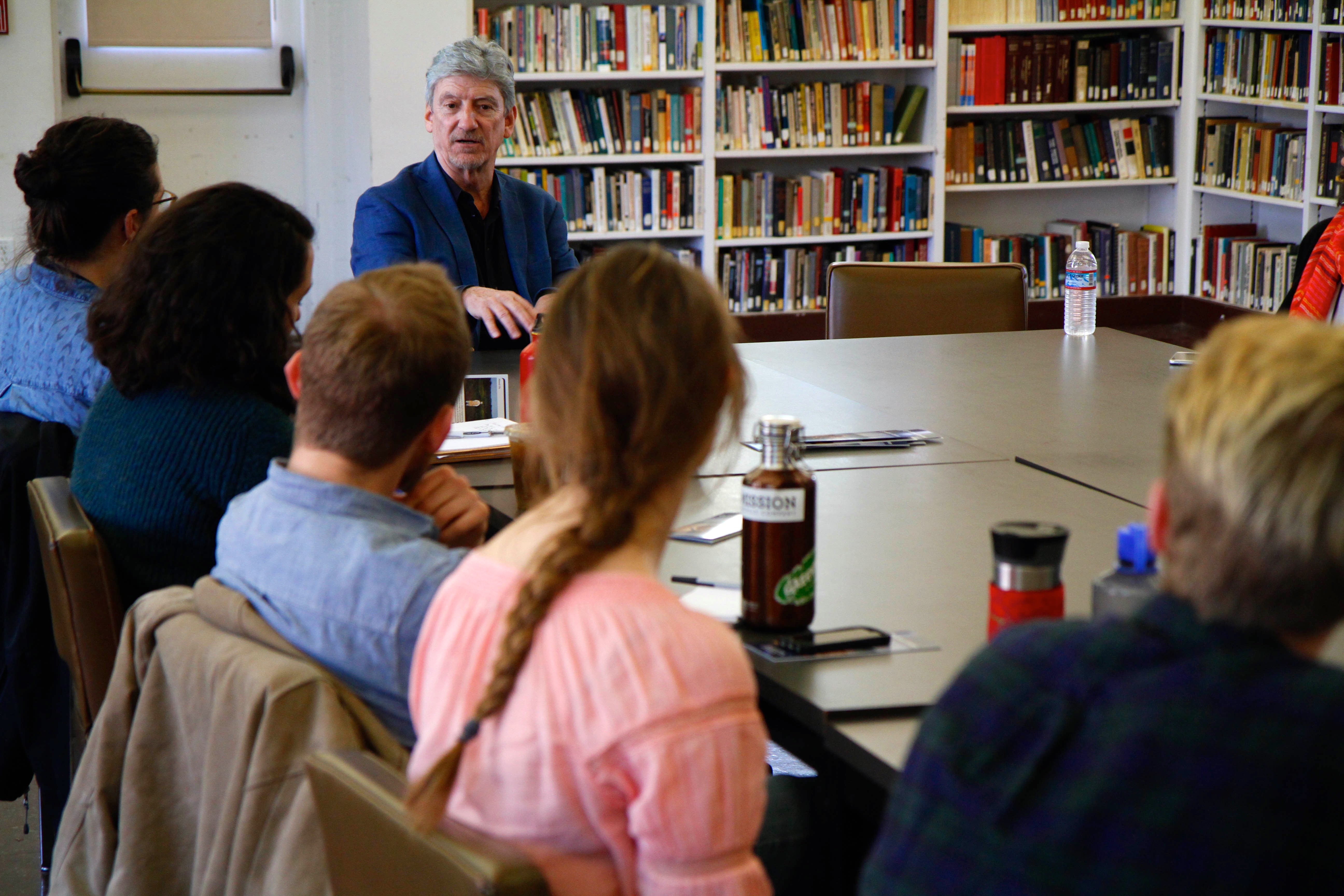
Led by Paul Salopek and a team of experts including Prem Panicker, former editor-in-chief of Yahoo! India, Arati Kumar Rao, an award-winning photojournalist, and me, the intensive, four-day workshop provided 17 early- to mid-career journalists with hands-on training in slow journalism. This immersive style of reportage is based on close observation that opens new lines of potential storytelling in the lives of ordinary people and situations.
Hosted by The Caravan magazine, the workshop provided instruction in “fast and deep” interviewing techniques, photographic composition, story structure, caption writing, the use of telling detail, and strategies for building trust with subjects on the margins of society who tend to be suspicious of strangers asking questions.
Workshop participants then combed through the Old City in search of untold stories, and returned with a wealth of material related to religion, work, caste, migration, business, identity, and the role of women in society, among others.
By the end of the workshop, each attendee had produced a high-quality, publishable piece of storytelling that relied on deeply reported text and photographs or video.
A number of these pieces have already been published, reaching audiences ranging from thousands to millions. One of them, about corrupt labor practices related to restoration of the Red Fort, seat of the Mogul empire and one of India’s most iconic landmarks, has already prompted a federal investigation.
One of the most profound impacts of the workshop, however, may be harder to measure: a deep and abiding sense of professional solidarity and inspiration that emerged over those four packed days in the Old City of Delhi.

Paul Salopek shares reporting tips with Indian journalists in Old Delhi during the National Geographic Out of Eden Slow Journalism Workshop, May 2018.
Arati Kumar Rao
“In the deadline-chasing media world of today, this workshop made me realize just what in-depth, honest, literary journalism can bring to the table,” said Shikha Sharma, executive editor of Youth Ki Awaaz, a popular online publication for young people. “I want to redefine the way stories are told in my organization, and devise a strategy to include narrative storytelling in the things our news team works on.”
“It will inform how I think while reporting and writing,” said Kabir Agarwal, who writes for The Wire. “The thought process and sensory awareness required for slow journalism will be a big part of my future projects.”
“Being able to do narrative journalism—so vastly different from the daily grind of newsbreaks, was a great way to get different parts of my brain working,” said Priyanka Pant, a writer and editor for NDTV. “The last four days have really renewed the spark and excitement I have for storytelling.”
Added Nandita Singh, who writes for The Print: “I really needed to be reminded of why I love to write—to tell stories. Despite four days with minimal sleep and a busy schedule, I feel less tired!”
Indian journalists like these express a genuine passion for going slower, going deeper, and for producing meaningful work. Thus they add their voices to the growing global community of immersive storytellers inspired by the Out of Eden Walk, which Paul Salopek hopes will be one of the project’s most enduring legacies.
As Paul recently commented, the Out of Eden Walk’s educational initiative, supported by the National Geographic Society, has become “a force for empowering our industry and readers with the unifying tools of journalism.”
The effort will continue with upcoming workshops in Chennai (September 4 to 7) and Kolkata (November 13 to 16). To attend the workshop in Chennai, qualified professional journalists can apply here.
Meanwhile, we’re creating a web page where the journalism produced in these workshops can be seen and shared with a global audience.
During his 25 years as a National Geographic writer and senior editor, Don Belt authored more than two dozen feature stories for the magazine. He now teaches journalism at the University of Richmond. He’s on Twitter @dbelt50.