For nearly sevenyears I have been walking with migrants.
In the winter of 2013 I set out from an ancient Homo sapiens fossil site called Herto Bouri, in the north of Ethiopia, and began retracing, on foot, the defining journey of humankind: our first colonization of the Earth during the Stone Age.
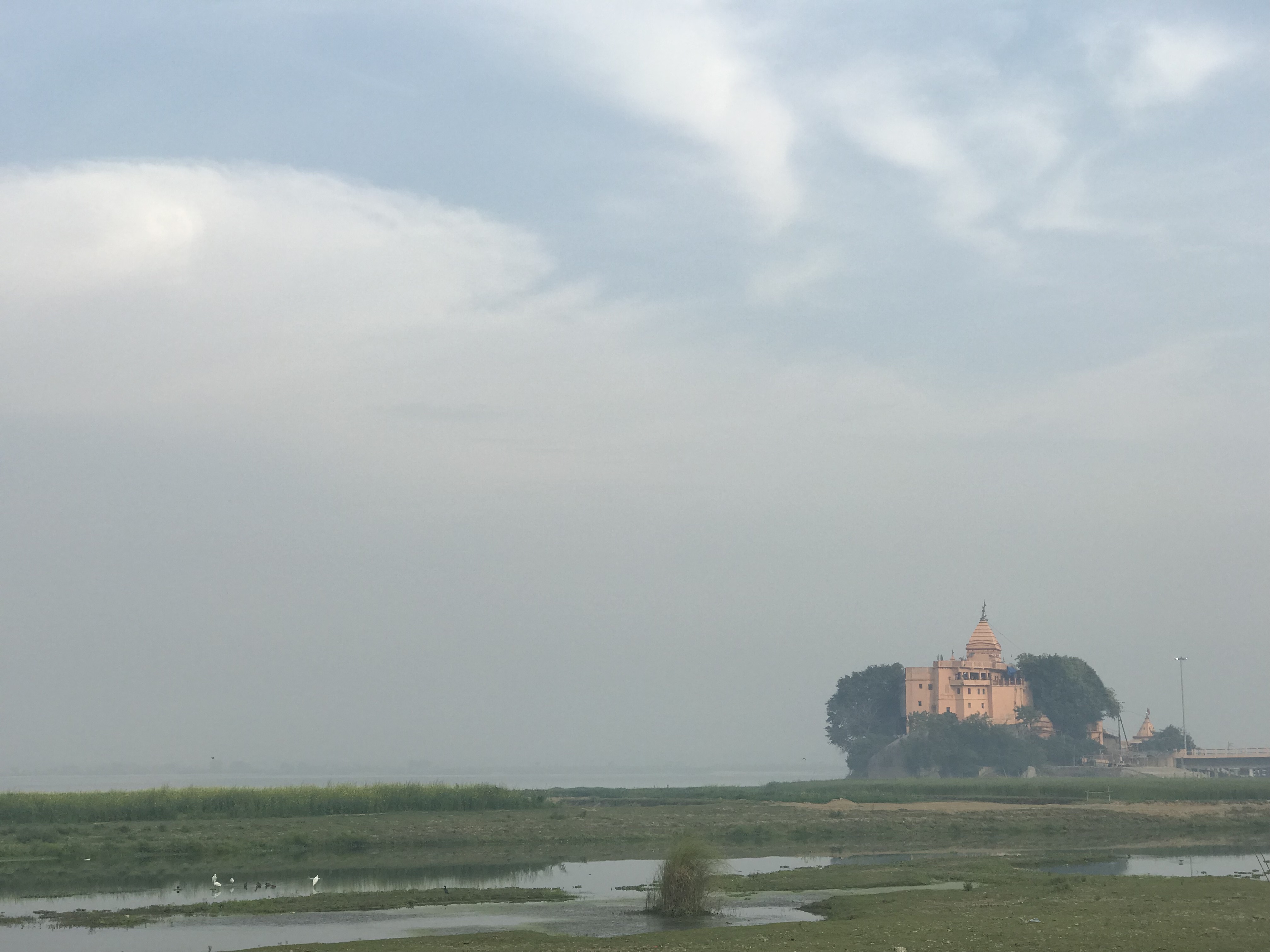
My long walk is about storytelling. I report what I see at boot level along the pathways of our original discovery of the planet. From the start, I knew my route would be vague. Anthropologists suggest that our species first stepped out of Africa 600 centuries ago and eventually wandered, more or less aimlessly, to the tip of South America—the last unknown edge of the continents and my own journey’s finish line. We were roving hunters and foragers. We lacked writing, the wheel, domesticated animals, and agriculture. Advancing along empty beaches, we sampled shellfish. We took our bearings off the rippling arrows of migrating cranes. Destinations had yet to be invented. I have trailed these forgotten adventurers for more than 10,000 miles so far. Today I am traversing India.
Our modern lives, housebound as they are, have changed almost beyond recognition since that golden age of footloose exploration.
Or have they?