Over the past two-and-a-half years I’ve walked 6,700 kilometers across China. The span of this hike equals the linear distance between Paris and Chicago. Looking back on a new storytelling map of my GPS tracks made by our partners at Esri, it seems hard to believe.
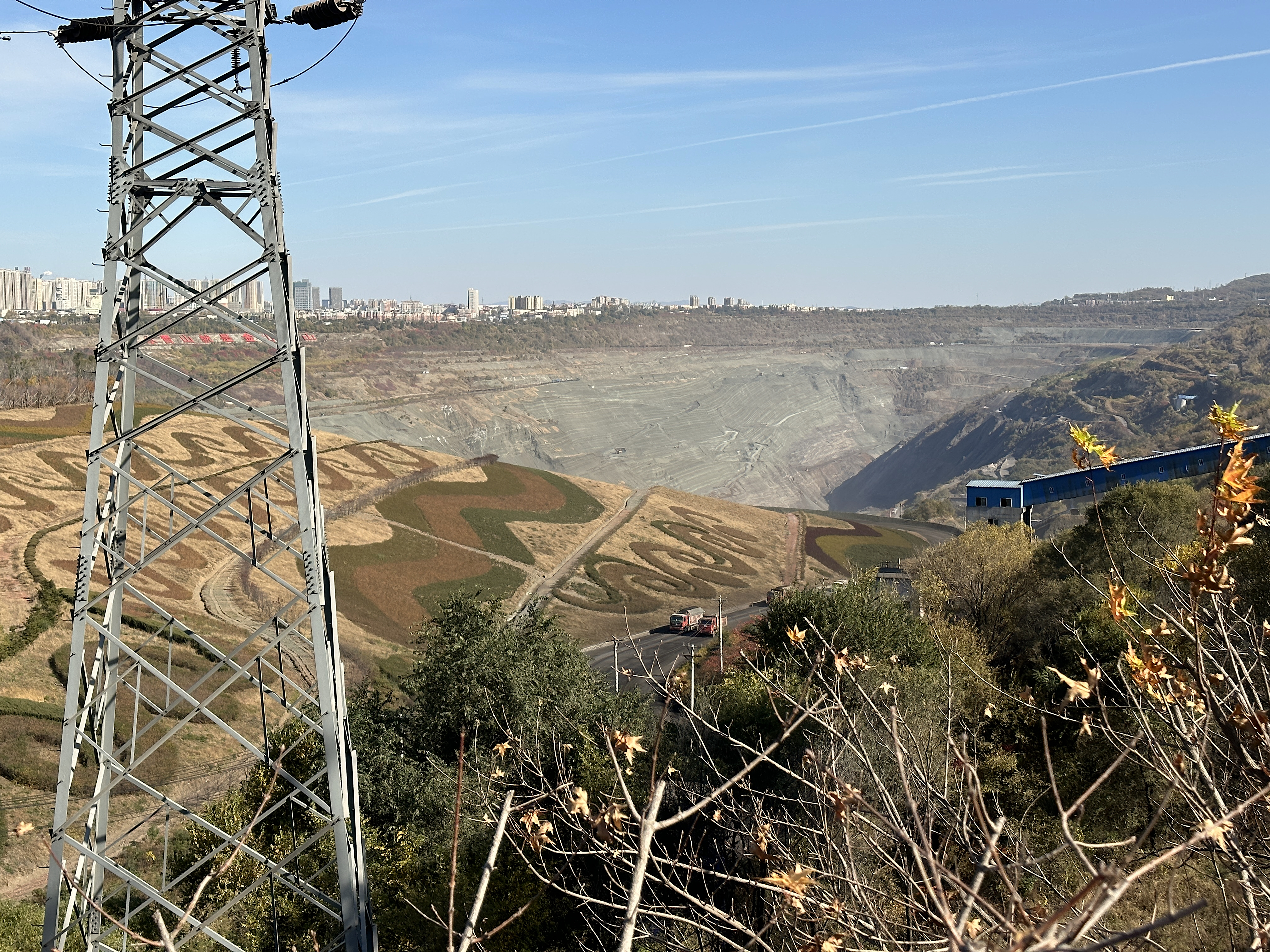
My Chinese walking partners and I bisected the center of China from southwest to northeast as part of the Out of Eden Walk, a global storytelling project now in its 11th year that aims to retrace the ramblings of early humans who left Africa during the Stone Age. China is the 19th country along the walk’s exceedingly long route. It’s by far the most sprawling. Pacing off on average 25 kilometers a day, month after month, we two-stepped around roaring superhighways, under bullet-train bridges, through megacities of 22 million that took a week to traverse, as well as past dams, mines, airports, and industrial parks—a buzzing tableau you’d expect from China’s reputation as the “factory of the world.” Yet we also encountered relict landscapes of a quieter and slower China: sloping green tea farms, red tile-roofed villages, raw horse steppes, jungles throbbing with cicadas, and snowcapped passes scraped by gales. What lingers most vividly in hindsight, though, are the forgotten byways that often connected these two vastly different worlds: China’s ancient roads.

Walking partners Yang Wendou and Sonam Gelek plot the way forward using a map of the mountains of Sichuan Province.
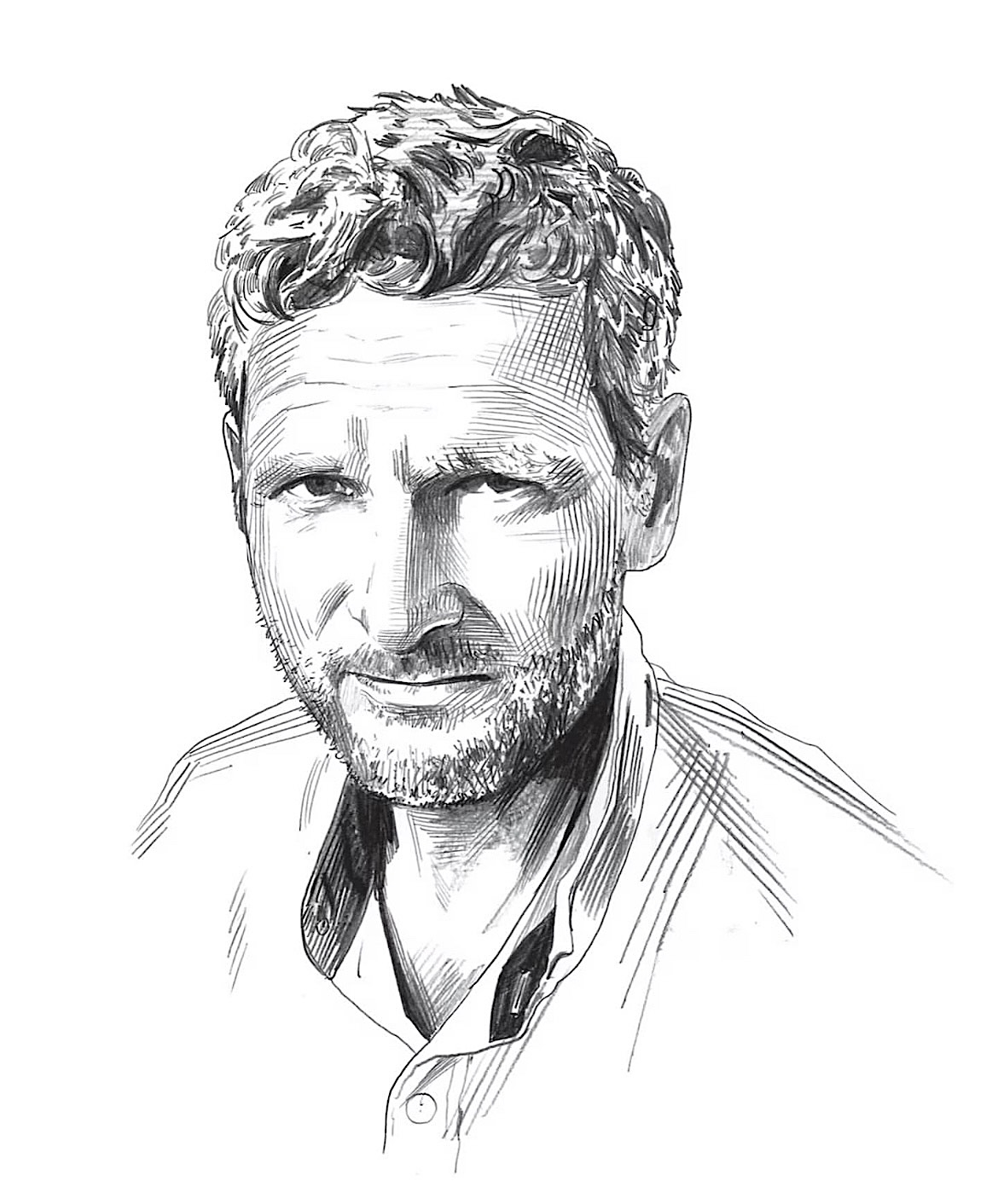
Paul Salopek
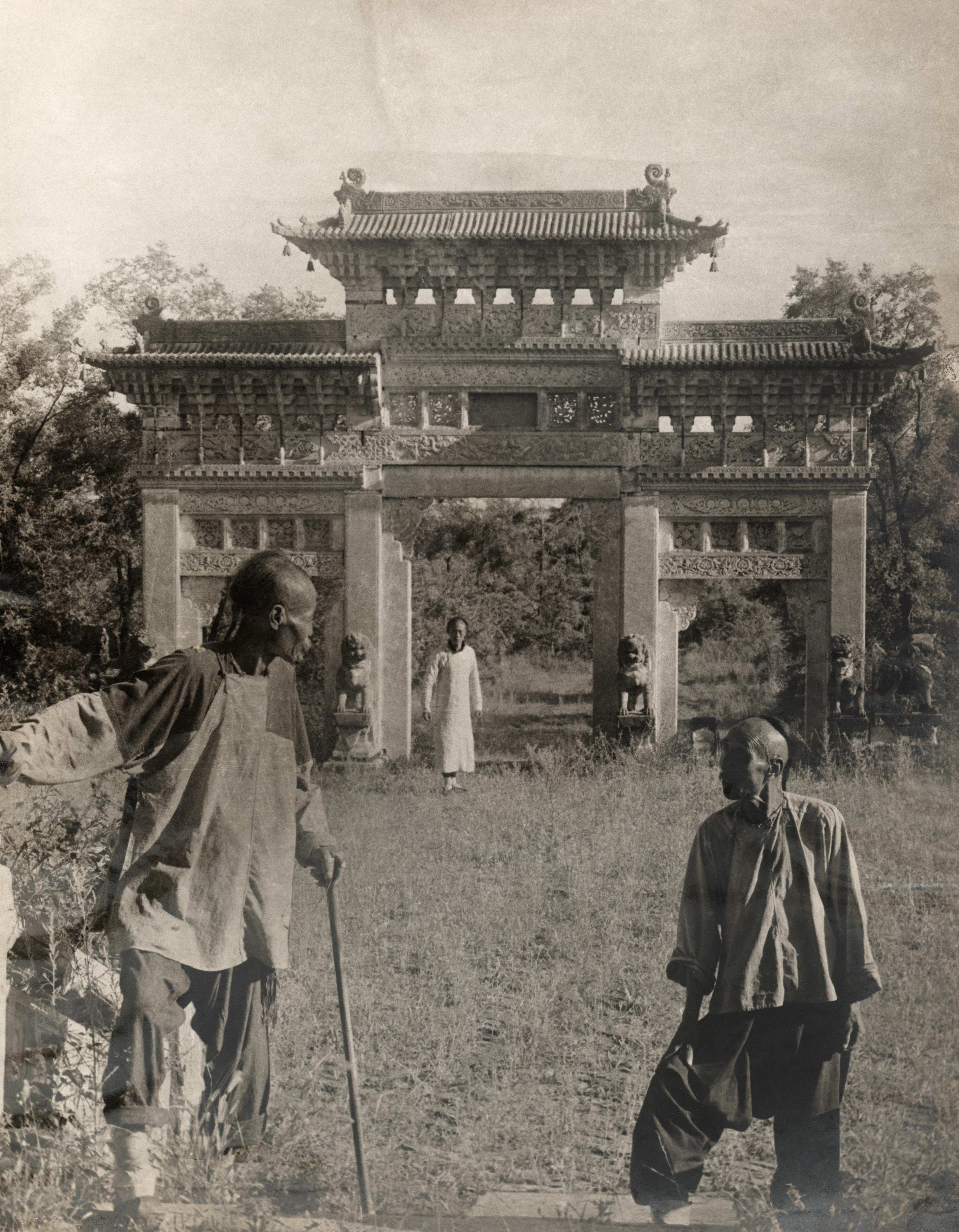
It’s not hard to find antique roads in China. The place has been shaped and reshaped by engineers for thousands of years. As any Chinese schoolchild will tell you, grand civilizations dating to the Bronze Age blazed intricate communications networks that expanded trade and maintained military control. By nosing about a bit on foot, you can locate ghostly remnants of these historic pathways almost anywhere today, often just a few steps away from expressways. They are lovely to walk on. They were designed for and maintained by the human anatomy. They often are layered atop each other like a palimpsest of restlessness.
More and more of China’s ancient roads are buried today under concrete. Others fade away into empty, high valleys of rhododendrons—human outposts depopulated by rural exodus. It’s a sad thing to see, this dissolving geographical memory, like watching an aged friend succumbing to dementia. Still, for now, they’re there. We hiked 16th-century Ming dynasty postal roads and 2,200-year-old Qin dynasty defensive “highways.” We sang our way along Silk Road paths worn by horses that died a millennium ago, and we plodded muddy truck routes carved by bush knife in World War II. In this way, each day’s walk in China represented a journey through deep time. Click through our new map of this dislocating experience.

Map detail: Salopek followed part of the Burma Road, a crucial supply route to China during World War II.
Photograph courtesy Esri
The walk across China began in a chrysanthemum field near the Myanmar border in the autumn of 2021 and ended in the winter of 2023 at the frozen shores of the Yellow Sea across from North and South Korea. Almost 20 of my Chinese walking partners gathered there, at a five-star Hard Rock Café Hotel with a free cappuccino machine in the lobby, to bid me farewell. These brother and sister voyagers, a diverse walking family of educators, poets, historians, mountaineers, and even a Starbucks barista, are my China. I’ll miss them. They bring to mind Li Bai’s famous Tang dynasty poem:
Before my bed the moonlight glitters,
Like frost upon the ground.
I look up to the mountain moon,
Look down and think of home.
The beach at my Chinese finish line was astoundingly cold. It was cobbled with rocks from the Cambrian. I remember emptying my shoes of grit that last day, every golden pebble a century.

First straight line: leaving China for South Korea by ferry.
Paul Salopek
ACKNOWLEDGMENT
I wish to thank the gifted storytellers at Esri for building this map: Allen Carroll, Cooper Thomas, Michelle Thomas, A Du, and Cristina Cañizares. Jeff Blossom and Peter Bol, at Harvard University's Center for Geographical Analysis, also contributed to the map.
I couldn’t have made it through China without the wisdom and patience of my local walking partners: Yang Wendou, Li Bing, Zhang Qing Hua, Li Zheng Kang, Zhang Hongyi, Liu Kankan, Dai Hua, Sonam Gelek, Li Mengchi, Cheng Xinhao, Becky Lin, Huipu Li, Liu Lifeng, Ma Tianjun, Frank Geng, Luo Xin, Xiao Yi, Luo Ying, Wang Wei, Pan Jun, Xu Haotian, Wang Jiawei, Jin Jin, and Tracy Cao.