Most of us have never seen a season like summer 2020. Summer is usually such a lively, happy time, but this one was marked by a global pandemic, economic agony, a national reckoning of racial injustice, and relentless political combat.
Many people told me they got through it only by finding silver linings in the dark clouds and by relishing the little joys of life.
Silver linings and little joys aren’t obvious, though. Almost by definition, they’re hidden treasures. You’ve got to dig to find them. I found this summer it helped to slow down, to look carefully, to listen intently, to be fully present. Then you can discover those uplifting insights.
I was lucky enough to watch a large group of Chicago students figure that out, thanks to Paul Salopek and the Out of Eden Walk.
I’ve been an educator in the Chicago area for more than 20 years, and I’ve been the manager of the Out of Eden Walk-Chicago team since April.
Not long after I came on board, OOEW-Chicago began a partnership with the My Summer My City program, at Northeastern Illinois University. A group of seniors rising to college participated from 15 different high schools on Chicago’s south and west sides.
The initial goal was to help our teens write Chicago HomeStories, a feature of Out of Eden Walk-Chicago in which people describe on a crowd-sourced digital map the places in their communities where they feel most at home. When they post a HomeStory, people share a little piece of their heart with fellow Chicagoans. By reading others’ HomeStories, they learn about unfamiliar neighborhoods and hear the voices of people they may never meet. The connections can be moving and deep.
At first, though, we could hardly draw a word from the teens in our program. Working virtually, teachers tried to pull stories out of participants but didn’t get very far. I was nervous because the next stage involved Paul Salopek calling into the group from the other side of the world. Was this going to work?
I shouldn’t have worried.
Paul won two Pulitzer Prizes and an international reputation in part because of his ability to connect deeply with others. His empathy, compassion, and grace and his interactions with people around the world make him an easy companion and a trusted guide.
Out of Eden Walk
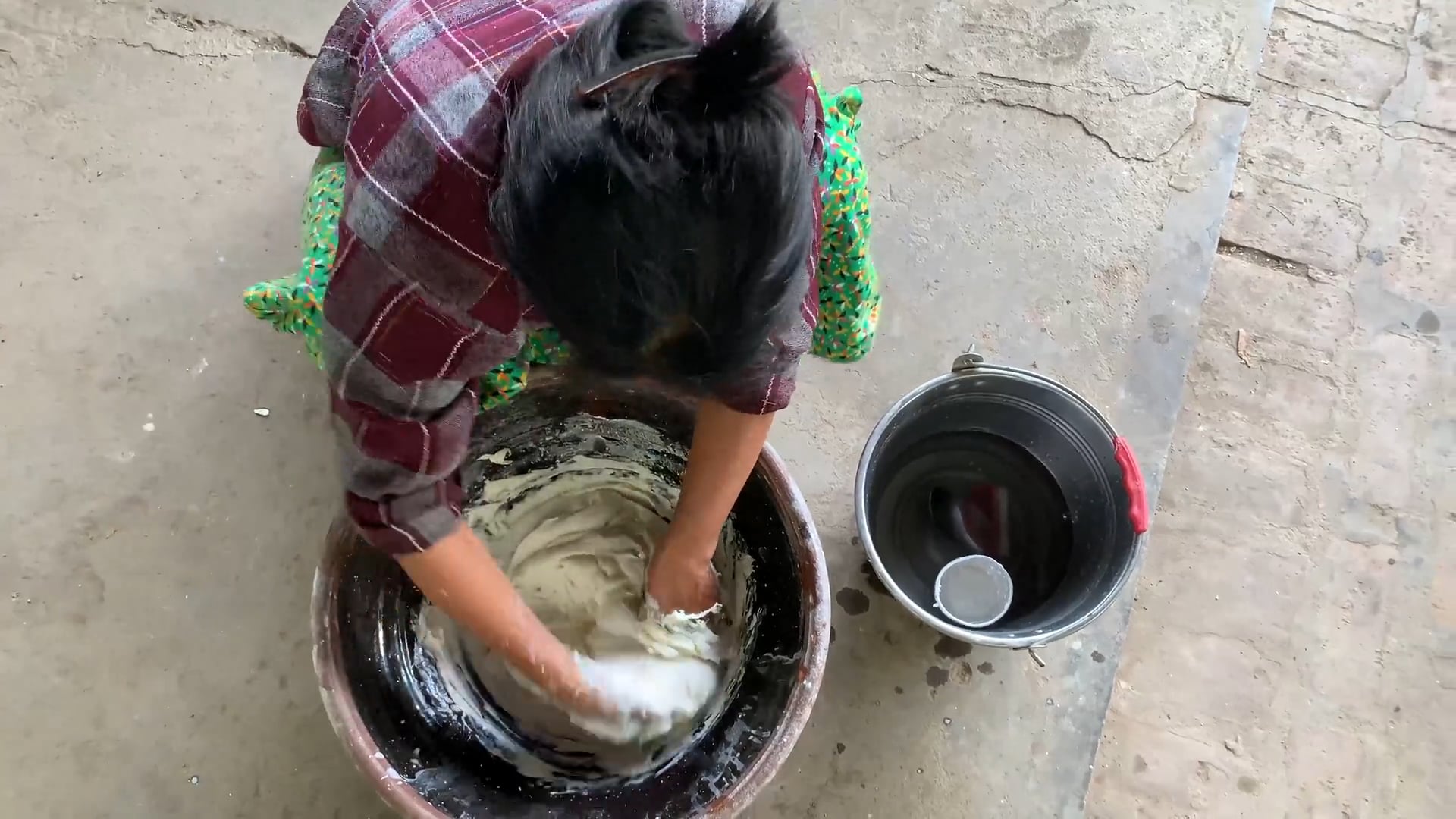
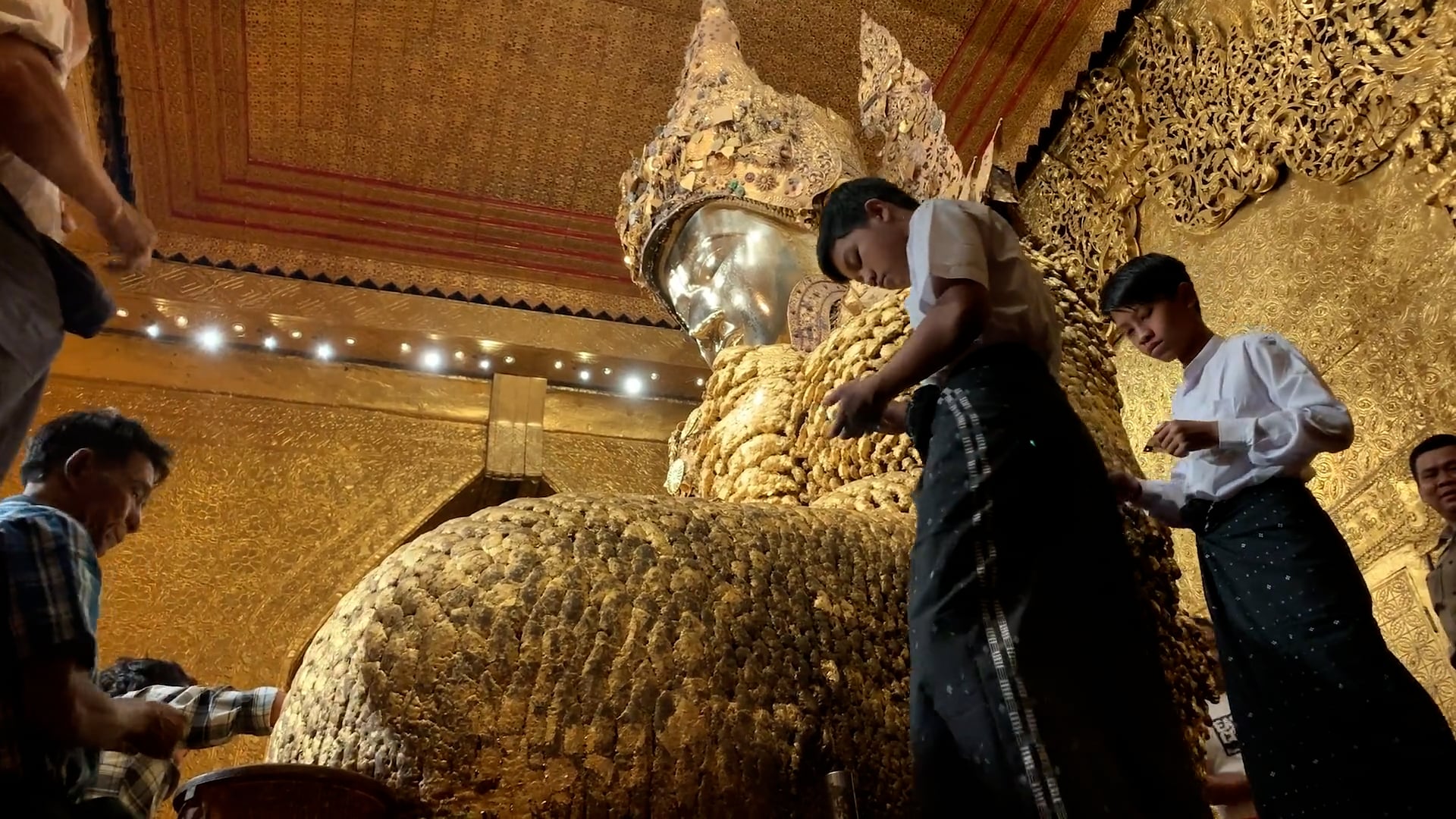
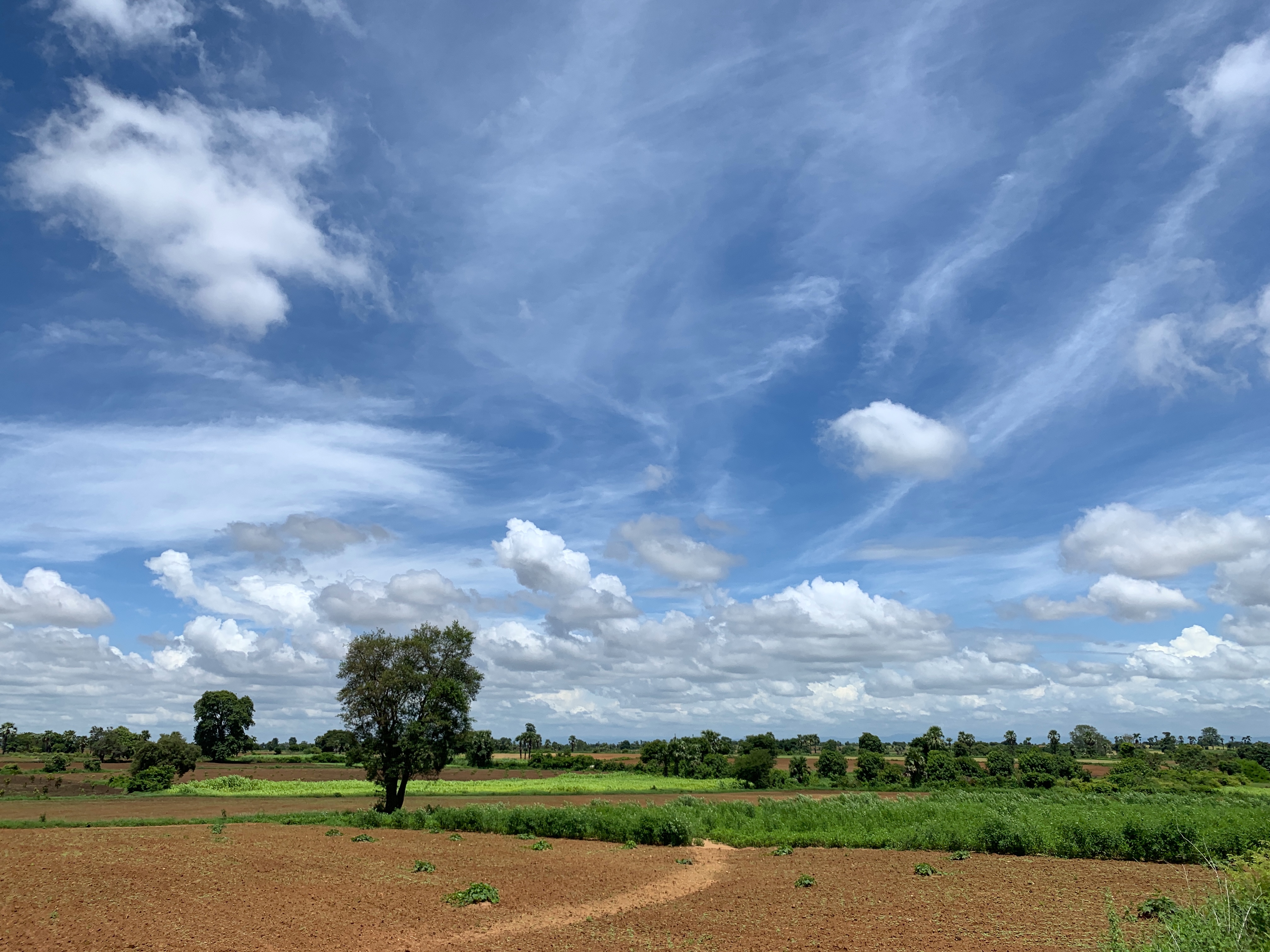
Calling in at midnight from faraway Myanmar, Paul told our teens what it’s like to live in different cultures and how important it is to slow down enough to gain understanding. He told stories of his own experiences, so exotic but at the same time related so vividly to the teens dealing with hard times on the other side of the planet.
It was beautiful to watch the students open up to Paul. Soon they were hanging on the nuggets of wisdom Paul sprinkled through the call like stardust. A few samples:
● “Walking helps you think. If you are feeling bad, are cooped up, if you are having relationship issues--keep going! The head, feet, and heart are connected.
● While walking the earth I had to keep telling myself I’m going to be ok, especially when hearing hyenas nearby, learning how to handle camels, and walking through conflict zones.
● The core idea of home for me is with me all the time. It’s mobile...it’s internal. Home can be any place, from palaces to refugee camps to jail cells. Wild and crazy is home. Home is people, not geographical sites.
● Grab the opportunities and surprises in front of you, and sometimes serendipity falls from the sky into your lap. If you are too rigid in your goals, you might miss out on side trails that would be even richer.
● I’m going to show you the good and the bad. Don’t just show people the nice parts—that is not honesty, and the world isn’t that simple. You live in tough corners of the world. Find kindness in the darkest places in the world, people who are good.
● It’s really brave of you to let people see a snapshot of your life and the things inside your head.
● Sometimes I get writer’s block, and I stare at the damn computer. Nothing comes. My editor says, ‘Paul, taxi drivers don’t get taxi driver’s block—just do the work.’ Like laying bricks, which I’ve done. Let’s all try!”
Believe me, after Paul finished, these kids were ready to try. His call was a turning point in our program. There was a visible change in the group. We saw smiling faces, felt the excitement, and watched the chat box start blowing up with questions, reflections, and ideas. Over the next few sessions, students started sharing their work.
Out of Eden Walk
They all stood out in their own ways, but we were particularly struck by one teen named Isabel. She shared, “Paul gave me new perspectives to open my doors more widely and include more people in my life. I was only considering my sisters to be my home, and I want that to change.”
Another teen, Vanessa, talked about her role in Chicago’s Black Lives Matter protests. She told us, “I want to become a better person, to become better for my community. I want to pull all of these voices together.”
These very special teens grew before our eyes. I think the conversations with Paul will have a lasting impact on them. We’ll keep track of the zines they’ll share and the HomeStories they’ll write. We’re eager to see their progress.
Pamela Mills, who led the My Summer My City program along with Susan Garr, believes that Paul’s perspective really broadened the horizons for the students, particularly at a time when COVID-19 concerns confine us all to tight places. She said meeting with Paul and exploring the HomeStories “was revelatory, like travel.
“You don’t know exactly how it changes you, but you are changed,” Pamela said. “Our teens rarely leave their neighborhoods, so any and all exposure they receive to the way other people live, other cultures, means a great deal. When we widen their world, we widen their sense of themselves in the world.”
Out of Eden Walk
Despite having to rely on virtual events such as Our Summer Our City, our mission to spread understanding and positive change through storytelling has picked up momentum.
Even though our neighborhood physical walks have paused, we have introduced several new events to bring people together, such as online chats at our HomeStories Cafés or virtual community talks in partnership with the Pulitzer Center on Crisis Reporting and the United Nations Association of Chicago.
When it is safe, we will host pop-up story-collecting events in parks and bookshops across diverse communities in Chicago. Our young people in schools will be invited to share their HomeStories this fall in our first set of virtual open-mic nights.
Our sense of home can root us to our communities in times of change. Coming together to share what is in our hearts and minds creates bonds that may break down barriers and help us build a stronger, more united Chicago.
As for me, I remain inspired by Paul’s interaction with the teens. I left that experience determined to stretch myself.
At one point, Paul told the students, “Wake up each morning in anticipation of something new.”
Now, even with all our troubles, I can’t wait until tomorrow morning.
Longtime educator Tracy Crowley is the project manager for Out of Eden Walk-Chicago. Artist Katie Wood is Out of Eden Walk-Chicago’s social media creator. She provided media production support for this essay. To find out about Out of Eden Walk-Chicago’s content and fall programming, follow on Twitter at @OutofEdenWalkCh and on Facebook and Instagram at @outofedenwalkchicago.