It is midnight.
Thesea is black. But the shore glows with orange light: a port on fire.
Yet it is not open flames. It is the cold radiance of the of sodium-vapor dock lamps, the glare of a ceaseless 24-hour exchange: of commerce, of global barter, of the tireless labor needed to move vast heaps of humanity’s goods across the oceans on massive ships made of steel—ships that are many city blocks long, as high as tall buildings, bursting with every product, necessity, luxury, tool, medicine, and weapon employed by humankind at the turn of the millennium. It is the fire our species’ mind and will. I stare at it, trying to imagine this African port—a minor entrepôt on the Red Sea—as it will look 10,000 years from now, after the next Ice Age: a lens of concrete, steel, and glass crushed between geological strata. A future archaeologist exploring Africa’s Rift Valley will stumble across a jackpot here; his core sample will reveal shards of all we once dreamed we owned.
“It’s never dark here,” my friend Saleh Mohamed Ali says. “It’s always bright as midday.”
We are bracing ourselves on the foredeck of a tugboat that bumps across the waves of Djibouti harbor.
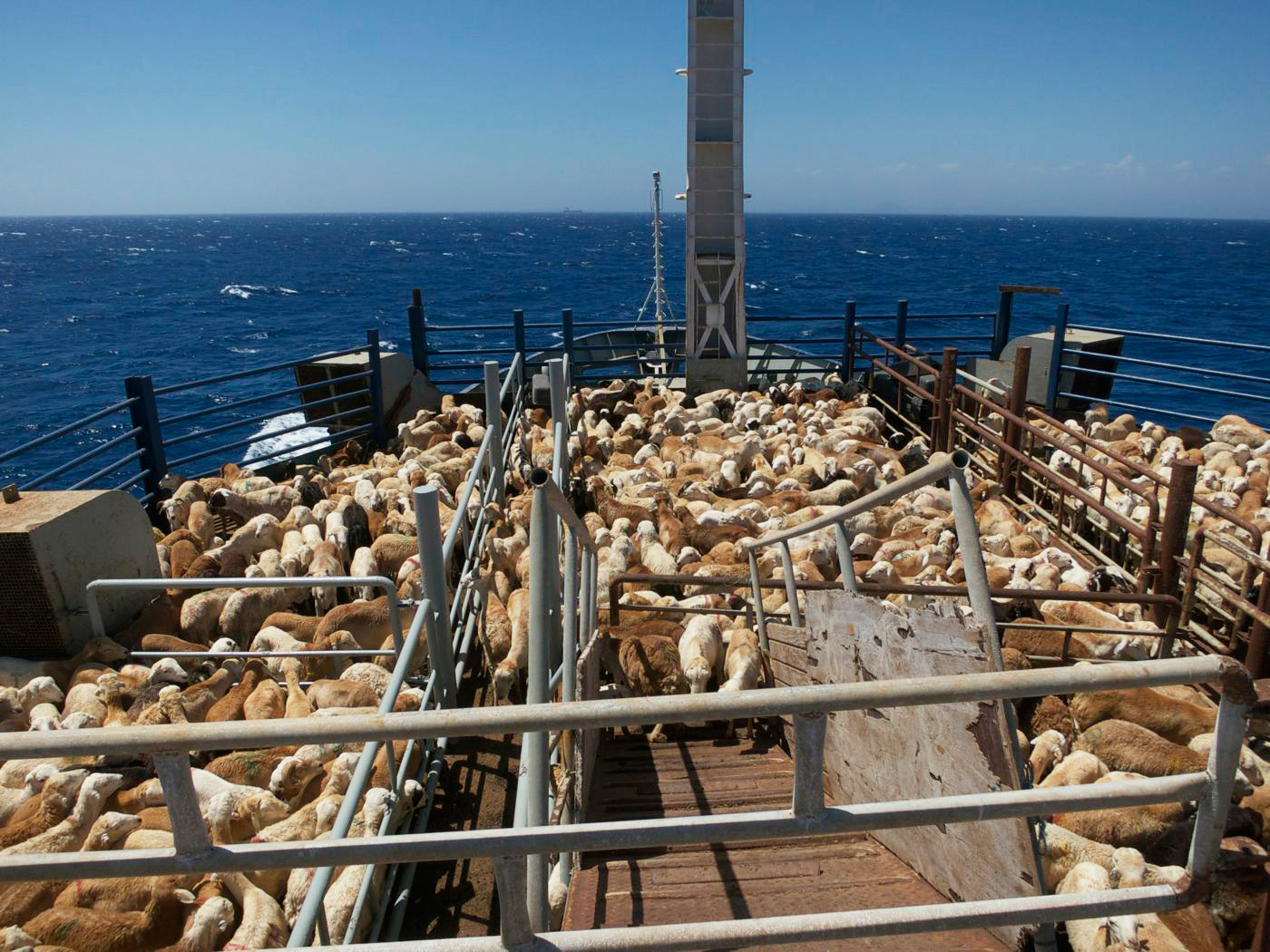
Saleh is a ship insurer, a patient negotiator who must solve all the problems of the maritime world. We are chugging out to a Chinese-flagged cargo vessel that has called for help. They’re carrying unwelcome human cargo: African stowaways, three young men from Ghana. Maritime law prohibits captains from forcibly discharging such migrants on land against their wishes. So the ship has been shuttling the Ghanaians across the globe for eight months. No country—on a voyage stretching from the west coast of Africa to Brazil, through the Mediterranean, all way to the Philippines—will have them. But tonight, Djibouti will allow the Ghanaians to disembark. It will permit them to fly home. Saleh’s insurance company will pay for their air tickets.
“I get stowaways about once a month,” Saleh says, smiling the rueful smile of a man who has seen all. “I feel sorry for them, I pity them, but they cost my company a lot of money.”
He tells me the story of a stowaway who changed his mind at the airport. The man did not wish to be flown home to Somalia. He stripped himself naked on the jetway. He began to dance, to bark and wail. The alarmed flight crew refused to allow him on board. A stalemate. The man had no papers, no identity documents. Saleh hired him to be his gardener.

Scaling a cargo ship’s 40-foot Jacob’s ladder at sea is all in a day’s work for ship insurers taking custody of stowaways.
Paul Salopek
The tugboat throttles back. We board the ship, the MV POS ISLAND, via a swaying, 40-foot-high rope ladder. This is all in a night’s work for middle-aged Saleh. The South Korean captain is eager to rid himself of his guests. He summons the stowaways to his fluorescent-lit quarters: three subdued men dressed in clothes that haven’t been washed in a very long time. They have spent months locked inside a cabin. They squat on their haunches against a bulkhead. One wears a single shoe. Do they want to go home? Saleh asks them gently, in a fatherly way. Yes, they reply glumly. They will abandon their hope of work in Europe. They will return to their steamy fishing village in Ghana. “Take me off this boat!” one cries.
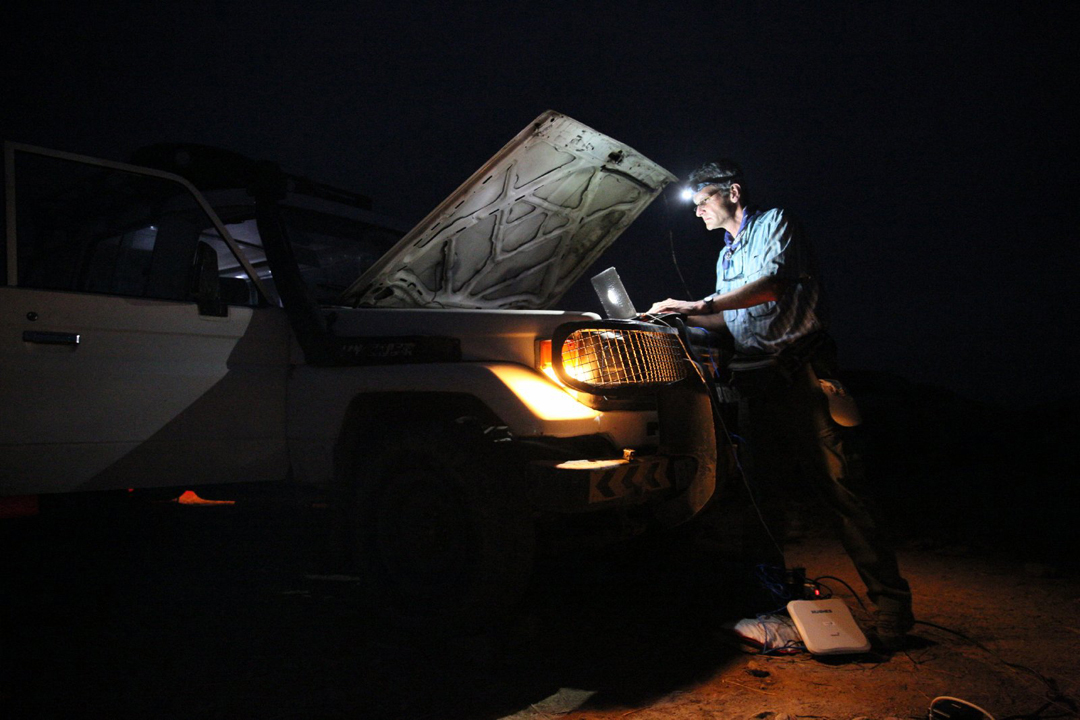
I look into their tired, yellowed eyes. I am seeking out a connection. My journey, too, has been dry-docked. I have been stranded for weeks in Djibouti.
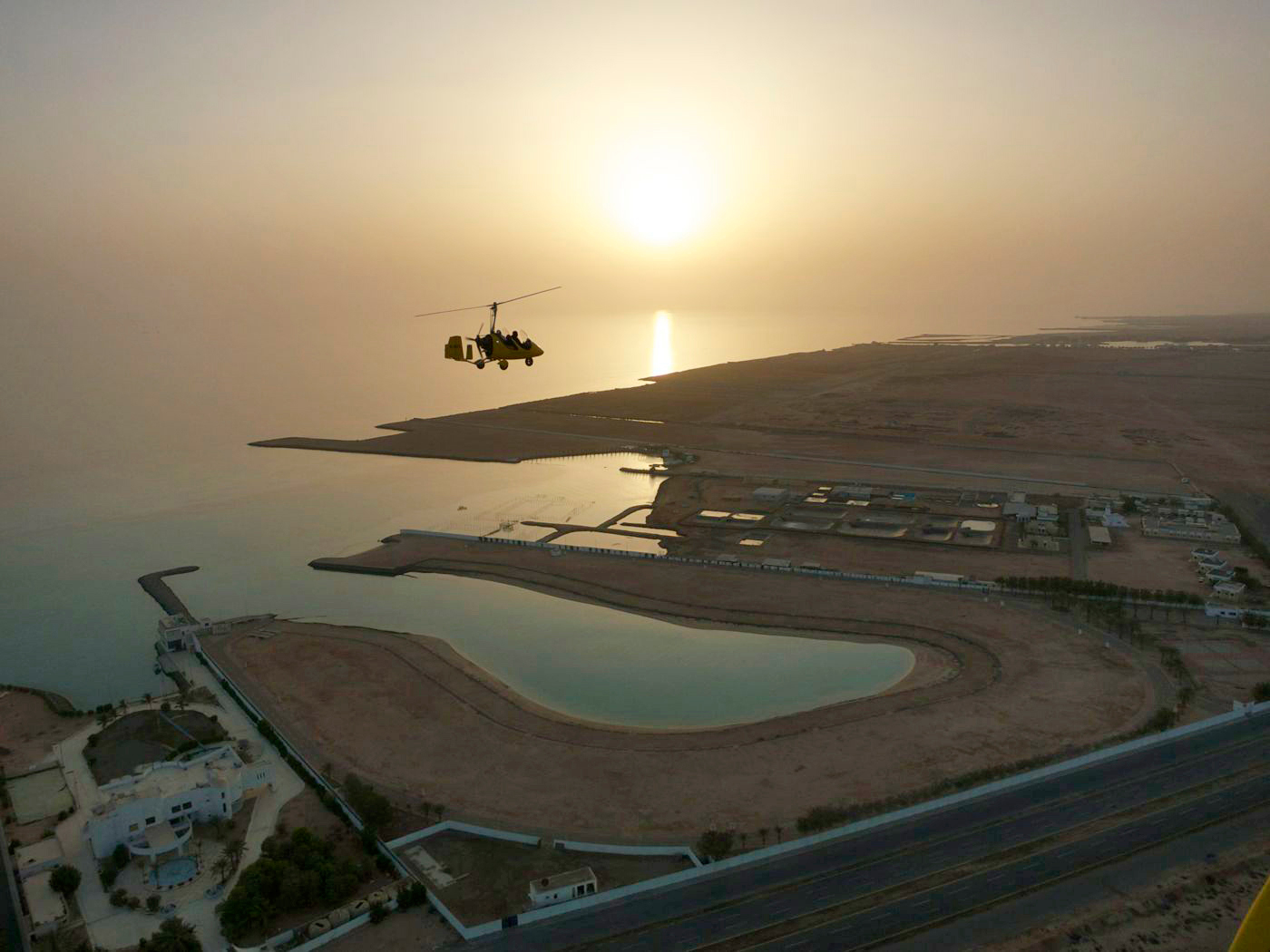
Two countries along my onward route—Eritrea and Sudan—have not replied to visa requests. Yemen is in turmoil. There are bombings in Sanaa, and the country’s beautiful Tehama coast is too dangerous to traverse on foot. Saudi Arabia has generously invited me to walk its western shoreline, north toward that ancient crossroad of human migration, the Middle East. But few vessels now risk taking passengers across the southern Red Sea. It is the fear of Somali pirates. The big steel ships, the moving warehouses of civilization, now steam in sealed convoys through the Bab el Mandeb, the Strait of Grief.
And so I wait: a stowaway marooned in Djibouti.
I pass hours in drowsy embassy foyers. I sit with Saleh in his small, glass-walled office. We sip tea, discussing ships, dhows, freighters, planning schemes, weighing possibilities. His phone rings constantly. All the world’s commerce pours into his ear. Complaints. Crises. Excuses. Pleas. Favors. He absorbs it all nodding, the mild wizard behind the curtain in this hard-bitten Oz. And then: the call to remove stowaways. He sighs. There must be hundreds, perhaps thousands of them, he says.
All the world is on the move.
The UN calculates that a record 215 million people now live outside their country of origin. An additional 700 million are adrift within the borders of their own nations. This represents a seventh of the global population. It is part of the greatest diaspora in human history, a hegira from country to country, from city to city, from empty belly to mouthful of bread. It is our species’ oldest trajectory. Only the colossal scale is new.
Africa swarms with these tattered ramblers, with the hand-to-mouth armies of the displaced, the unemployed. There are millions walking the desert trails, milling in slums, sleeping the sleep of the dead atop stained cardboard at the entrance to Djibouti port. If you believe their dire travels will not reach you, you are wrong. They already swarm around your oil pipelines. They scour the booming farms, toiling, at two dollars a day, picking your flowers and fruit. They scale the anchor chains of your hulking ships at night. They are coming to a street corner near you. In Africa, they help each other live. They share burdens out of all proportion to their means, because nobody else will. I have been the undeserved beneficiary of such grace: the crumb of bread held up in the desert, the bleak joke shared on the waterless path, the calloused hand pulling me to the safety of a border slum shack, to sleep beyond the reach of growling drunks. Beached in Djibouti, I am already missing this bruising solidarity of the road.
Two ship guards—a Welshman and an Australian hired to fend off pirates—march the three Ghanaians off the Chinese boat.
“They gave me a bit of trouble at the airport,” Saleh tells me the next day. He smiles his melancholy smile.

Three Ghanian stowaways head home after their arrest in Djibouti.
Paul Salopek
The stowaways suddenly demanded new shoes, he says, new travel bags, toiletries, and $1,000 in pocket money. They knew they had Saleh cornered. Djibouti didn’t want them. Ghana was not lobbying for their return. In the end, Saleh gave them $150 each and belted them into the plane.
“It is hard.” Saleh waves his hands over his cluttered desk, over the ships’ manifests sprinkled with invisible human beings of no commercial value. “What can you do? Eh? You tell me. What can you do?”