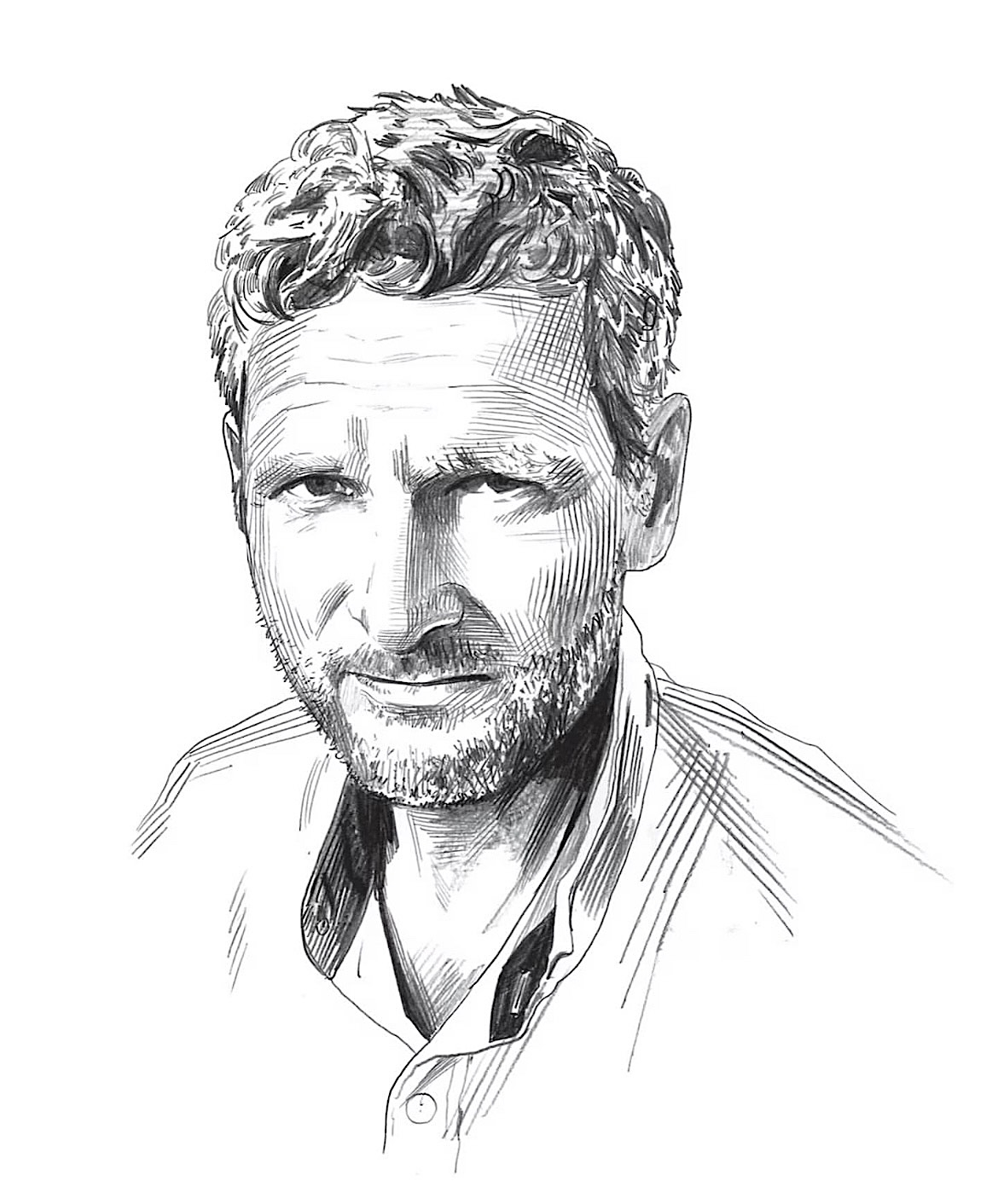
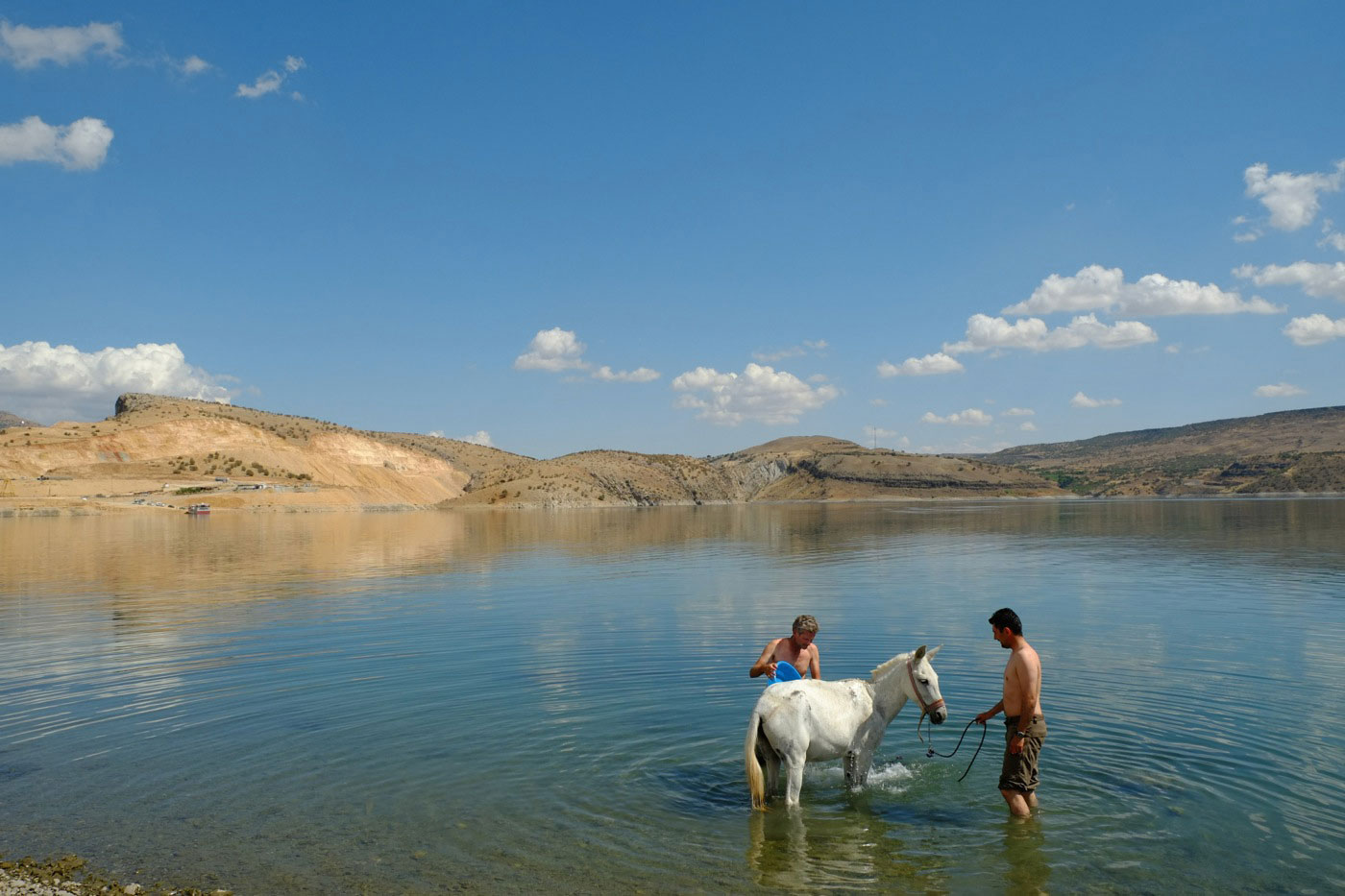
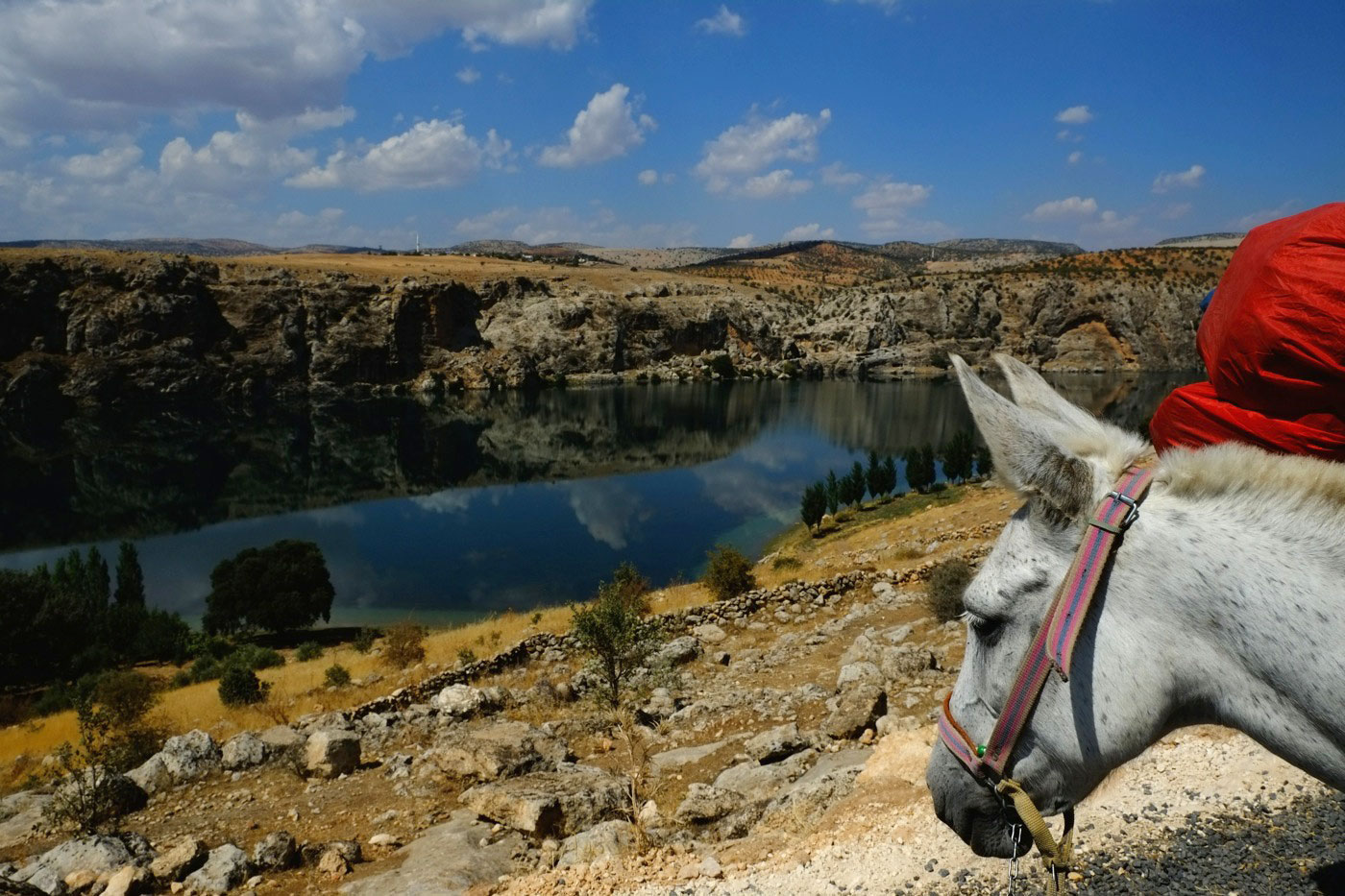
The December issue of National Geographic features a story about the Out of Eden Walk journey. The article—“Blessed, Cursed, Claimed: On foot through the Holy Lands”—traverses the deep origins of conflict in the most contested patch of real estate in the world. Illustrated by John Stanmeyer, it roams across Jordanian incense roads, concrete Israeli suburbs, and the grim checkpoints of the West Bank. It offers a boot-level view of the Fertile Crescent, “A place of exile and sacrifice. Of jealous gods.”
Next week, we resume the foot journey through Anatolia.
Jerusalem is not a city of war. Avner Goren is stubborn on this point. We are on foot, walking under a cloudless morning sky in the Levant, following a river of raw sewage that foams in torrents from East Jerusalem—12 million gallons a day, Goren informs me—a foul discharge that runs for 23 miles down to the Dead Sea. We are trailing the waste as a form of pilgrimage. Goren, one of Israel’s leading archaeologists, thinks like this. “There have been 700 conflicts here since Jerusalem was founded,” he says over his shoulder, wedging his way through religious tourists in the Old City. “But there were long times without war too. And people lived peacefully together.”
There are three of us. Goren: a native Jerusalemite, a tousle-headed intellectual with the watery blue eyes of a dreamer, and a Jew. Bassam Almohor: a Palestinian friend and photographer, a tireless walking guide from the West Bank. I join them both after trekking north over the course of 381 days from Africa, out of the biological cradle of humankind in the Rift Valley of Ethiopia, and into the rise of agriculture, the invention of written language, the birthplace of supreme deities: the Fertile Crescent. My slow journey is part of a project called the Out of Eden Walk, whose aim is to retrace, step-by-step, the pathways of the Stone Age ancestors who discovered our world. I plan to ramble for seven years to the last corner of the Earth reached by our species: the southernmost tip of South America. When I describe my trajectory to Goren, he replies, “Yes. You’ve come up from the south, like Abraham.”
Our sewage walk—Goren’s grand idea—is as compelling as it is eccentric: He wants to clean up the waste (Germany has promised support for a wastewater treatment plant) and establish miles of “green” trails along a fabled valley where 5,000 years ago Jerusalem was founded. These walking paths would unspool from the spiritual core of the Old City through the biblical desert, where the pollution oozes under a yellow sun. Because the effluent crosses the separation barrier between Israel and the West Bank, such a route would bridge the lives of Palestinians and Israelis. The purified river, by collecting in its arid watershed the sacred and profane, would help build peace between the Middle East’s two archenemies.
“This pilgrimage will be different on many levels,” Goren says. “It follows an important cultural and religious corridor, true. But it also connects Palestinians and Israelis in a very real way. And of course there is the clean water.”
Read more here.