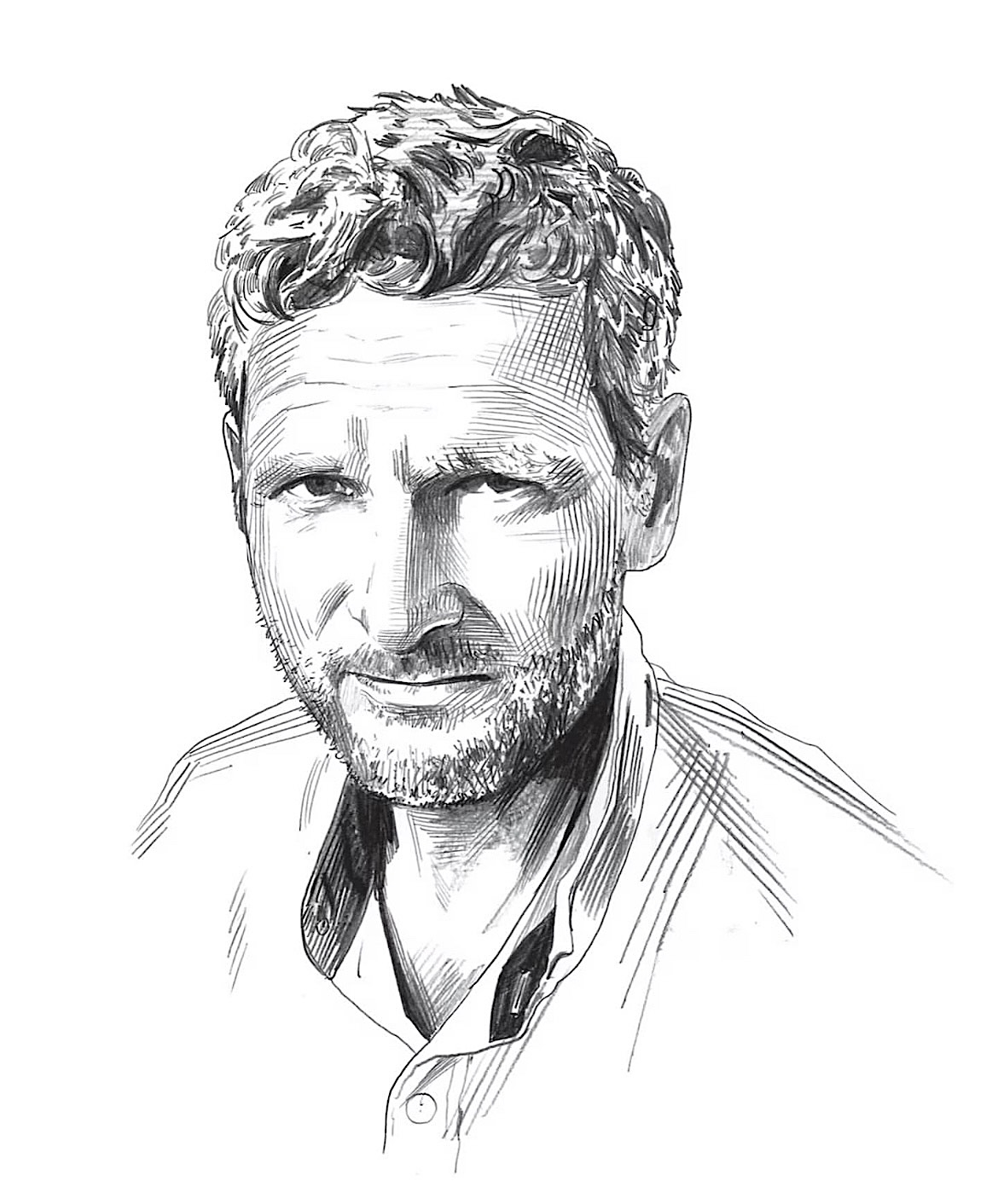
Huseyin Yilmaz is a friend. So is Kirkatir the mule.
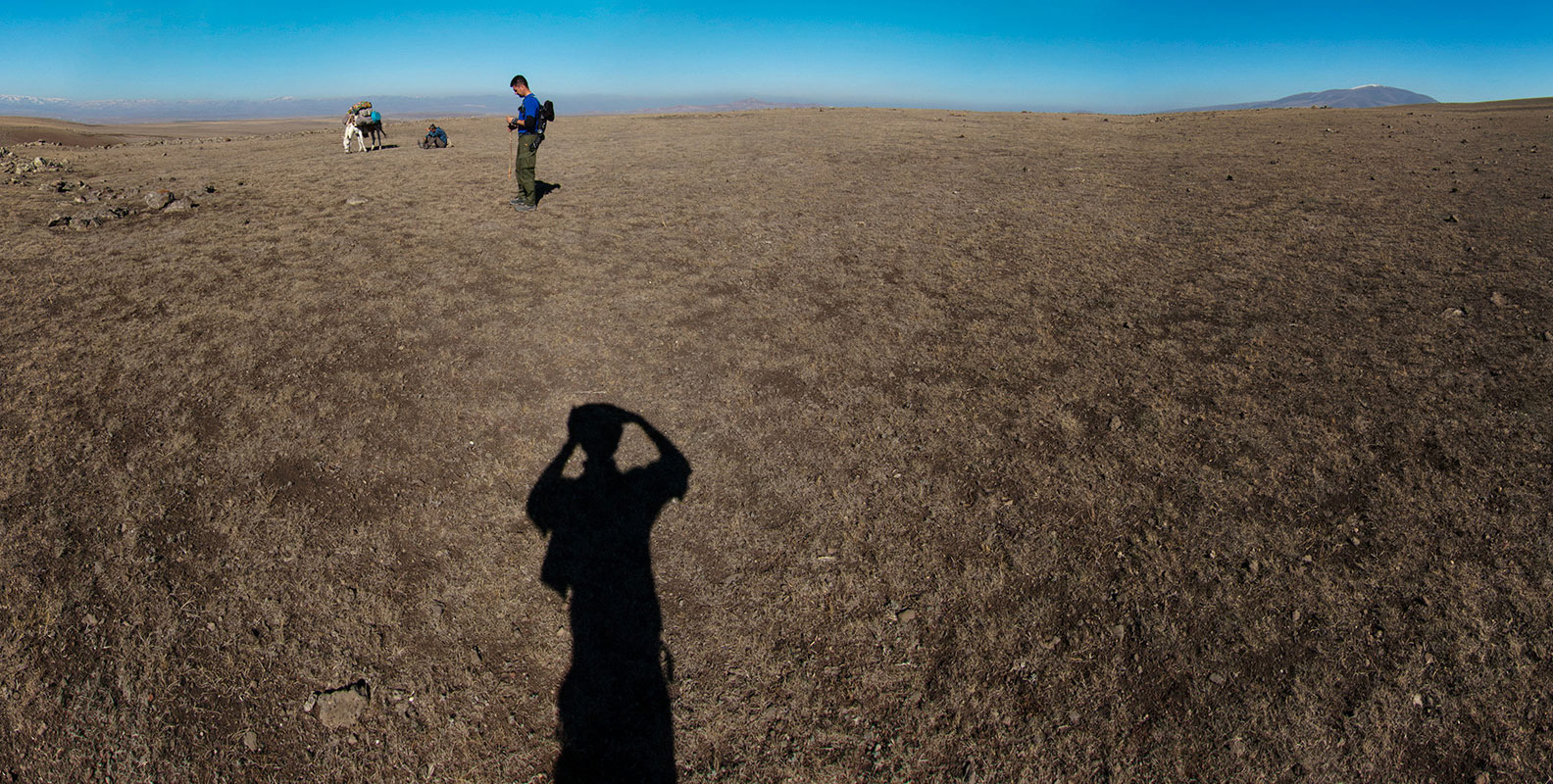
They met each other recently, at my behest, in a remote mountain hamlet high in the ice-shellacked mountains of northeastern Turkey. Months ago, I had left my faithful cargo mule with a kind farmer there named Ahmet. Quarantine laws had foiled Kirkatir’s entry into Georgia. So Huseyin, a rural development expert who lives in the nearby city of Kars, and a man who knows animals, agreed to pay a house call.

“She told me how to go.” The first samaritan on the remote mountain roads to find the mule in northeastern Turkey.
Huseyin Yilmaz
A summary of his report, via email:
It was a not hard to find the village. I asked a lady, and she told me how to go.
First I did not find Ahmet at his house which has 3 dogs (It remind me a saying: a house that has more than 2 dogs is a rich house :)) and his wife was a bit worried. She said Ahmet was in the village. So I drove into the village and ask again three ladies who were chatting each other till they saw me and all 3 stood up and say hi with respectly. It was a nice moment, I mean their gesture. And at last I found Ahmet.

“Go that way.” Good samaritans on the remote mountain roads of northeastern Turkey.
Huseyin Yilmaz
While driving back to the Kars I saw that beautiful moment and managed to capture it: A little owl hunted a vole.

An omen of customs regulations to come. Owl and vole alongside the mountain road to retrieve the mule’s saddle.
Huseyin Yilmaz
Kirkatir looked mud-rolled, defiantly unworked, sarcastically fat, and happy.
I wanted Huseyin to revisit Kirkatir for a second reason: to start building a tangible record of the Out of Eden journey.

Relieved not to see me. Kirkatir at rest. Near Dereköy, Turkey.
Huseyin Yilmaz
Kirkatir’s saddle is the first large item that is being shipped back to the United States as part of a collection of objects related to the world walk. Our educational partners at Out of Eden Learn, with kind support from the Abundance Foundation, have taken it upon themselves to curate a small trove of artifacts that carry the thumbprint of human restlessness, movement and migration. A handmade water bottle from the Hejaz desert of Saudi Arabia. A Bedouin nomad’s reed flute from Jordan. Slippers knitted by Kurdish rebel sympathizers in Turkey. All these and more are touchstones for a growing warehouse of walking memory.
The Anatolian pack saddle—insanely heavy at 45 pounds, hand-built from pine heart, cow leather, stuffed lambs wool, scraps of industrial carpeting, and duct tape—was rejected last week by U.S. Customs. Both saddle and crate lacked fumigation. I imagine Kirkatir was pleased to see the unloved saddle go. She would be more delighted to know that it now must be poisoned.