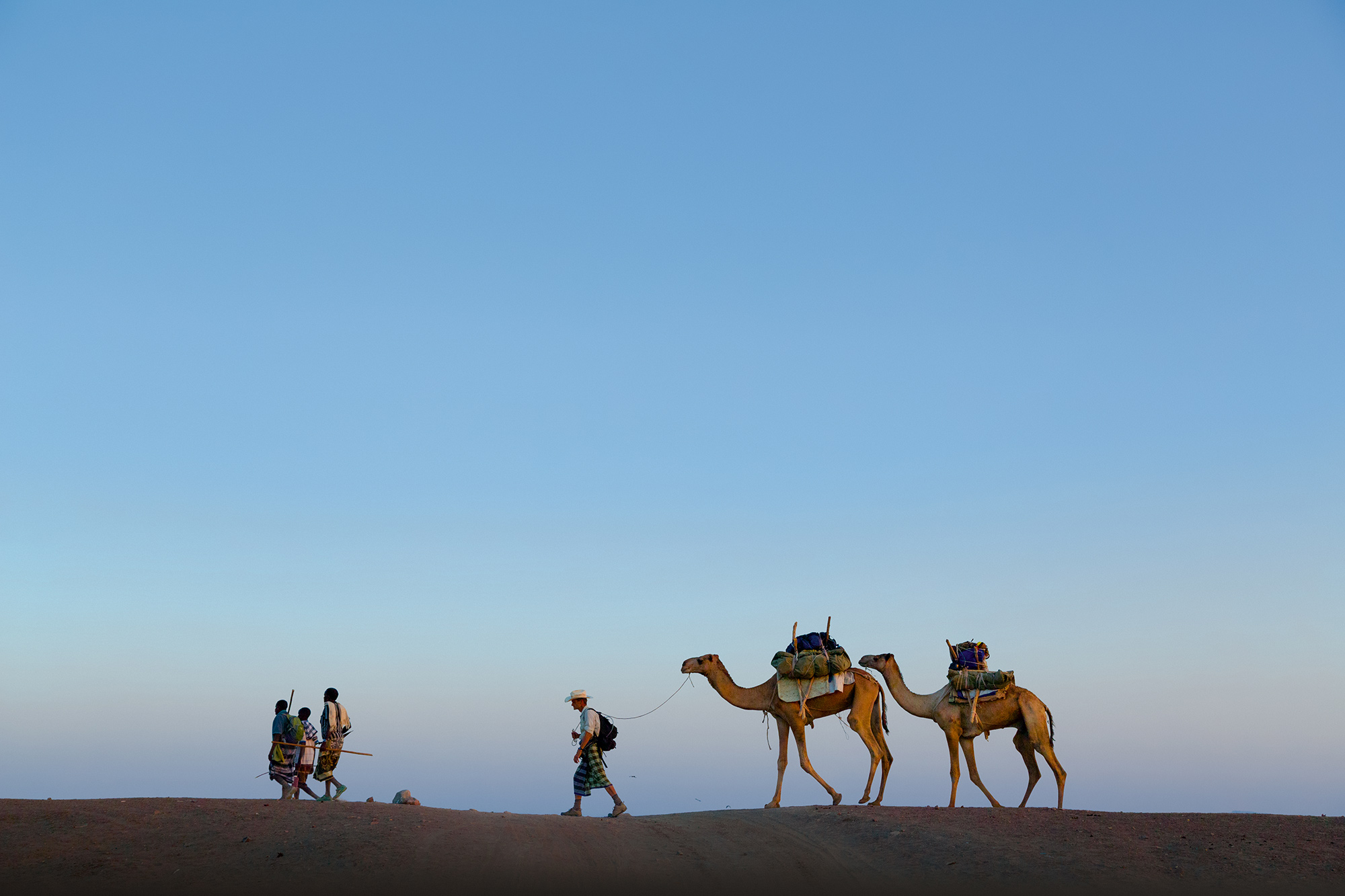
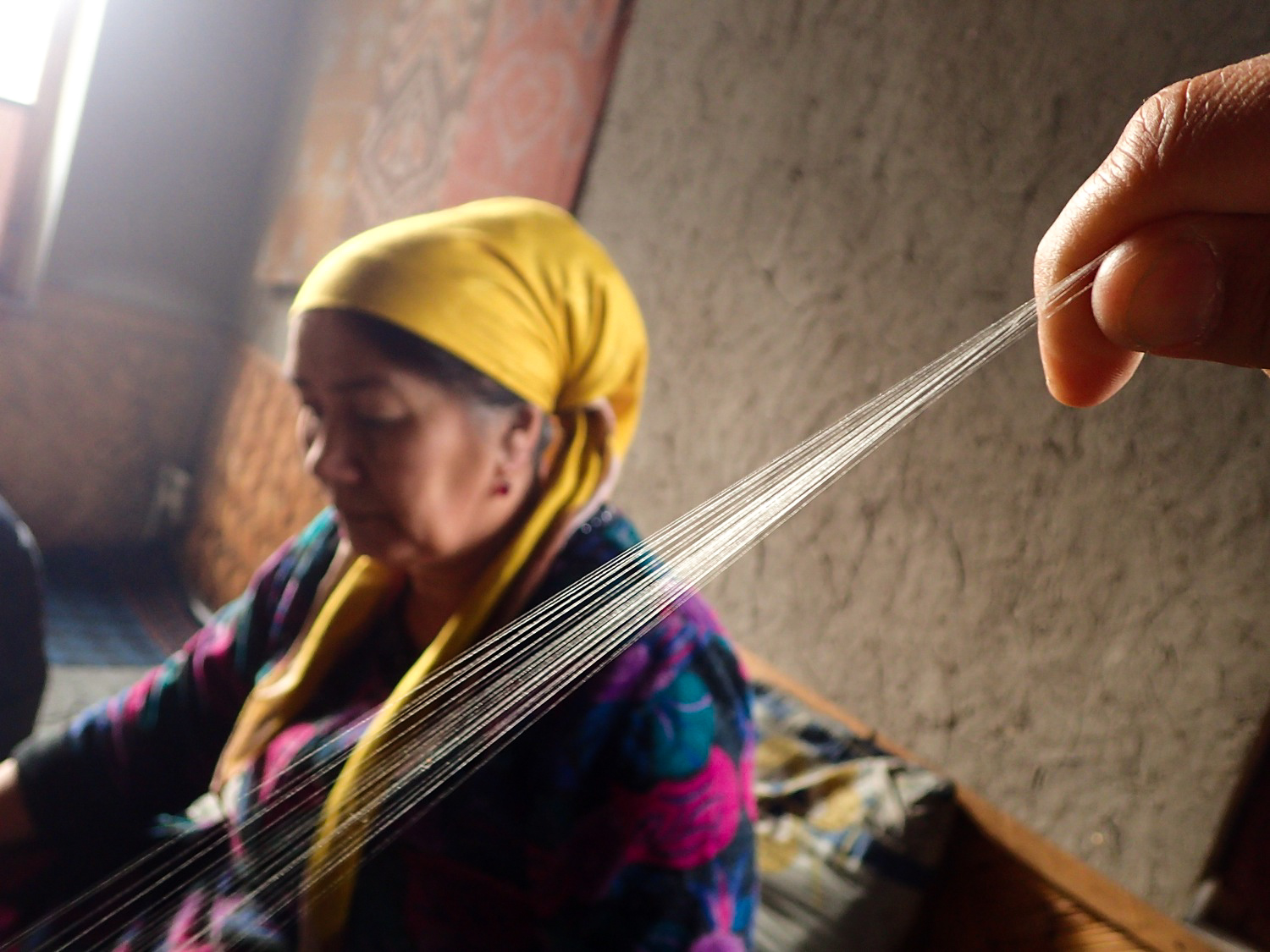
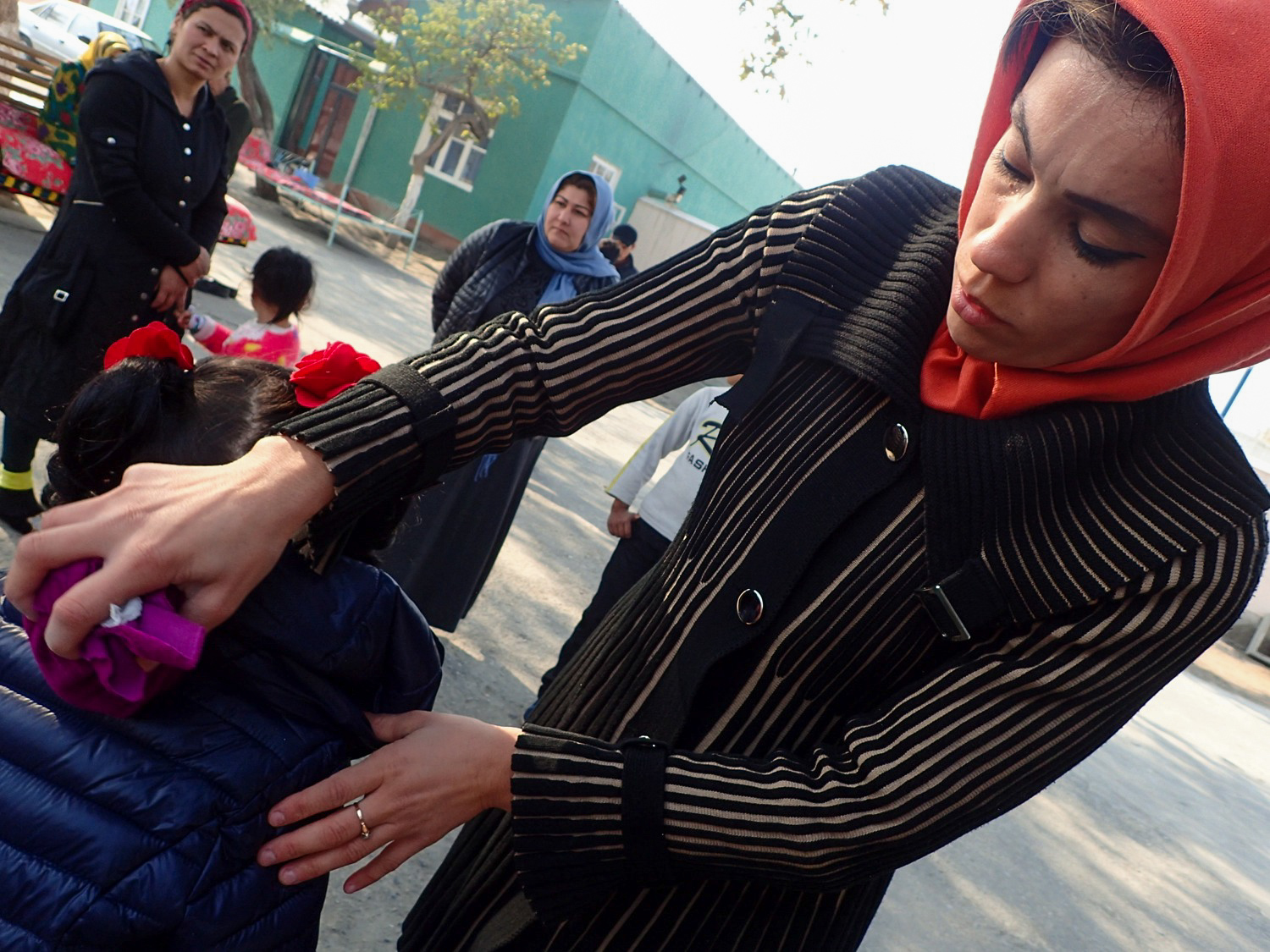
For more than 2,000 years the riches of Eurasia swayed by camelback across a continental braid of Silk Roads: spices went west, glass went east, furs went south, and a steady supply of gold, medicinal plants, exotic animals (in the fourth century B.C., Alexander walked elephants out of India), porcelain, and, of course, dazzling bolts of silk fabric went virtually everywhere. Yet the most important trade item in classical history has always been far less tangible: ideas. And to share such knowledge among civilizations—breakthroughs in science, works of art, systems of philosophy, and even new religions—a portable, durable written medium was required. Hence the ancient world’s most revolutionary commodity: a sheet of paper.
“Before paper, we used stones, clay, wood, animals’ skins, and papyrus to write on,” says Zarif Mukhtarov, the last traditional papermaker in Samarkand, Uzbekistan. “Paper is much better. You can transport it easily. It lasts a very long time.” Mukhtarov jabbed a finger at my reporter’s notepad. “Your industrial paper can last maybe one-hundred years. Mine lasts a thousand. And it is much more beautiful.”
Mukhtarov is a journeyman Uzbek potter who traded clay for cellulose. Through years of dogged research and experimentation, he revived the forgotten art of handcrafting paper from mulberry tree bark in a suburb of Samarkand.
His old-fashioned waterwheel revolves, creaking, in an irrigation canal. The mill’s spindle—a simple log—turns cogs that pump mallets up and down, pounding strips of bark into a brown cellulose slurry. This fibrous soup is sized onto screens. Then the resulting soggy sheets are pressed flat with a large river stone. Workers polish the dried paper by hand using goat horns and seashells. Mukhtarov’s paper, coveted by artists, feels soft as silk and is the color of tea with milk.
Zarif Mukhtarov’s traditional papermaking operation
Video by Paul Salopek
In the Middle Ages, Samarkand—Central Asia’s premier trading hub—was the paper capital of a booming Arab Muslim world.
“Paper was … essential for the bureaucracy that was administering their empire, for the many new things they were learning, and for their increasingly rich culture of arts and science,” writes Mark Kurlansky, in Paper: Paging Through History. The Arabs produced an infinite variety of papers, Kurlansky notes. Creamy, thick sheets were preferred by poet-scholars. A thin, ultralight version was designed for messages transported by carrier pigeons. The Chinese are generally credited with inventing paper around 250 B.C. Europeans, partial to animals skins, didn’t adopt the innovation until a millennium later.
Are we moving into a paperless future?
Maybe, maybe not.
One of the striking details on videos of the 9/11 tragedy are blizzards of paper cascading down from the wounded New York city office towers: Many experts believe tons of burning paper were at least partly to blame for the structural collapse of the skyscrapers. If that act of terrorism had occurred in today’s increasingly digital world, it’s an open question whether the two buildings might have survived the attack.
That said, paper isn’t going away anytime soon.

The raw material: mulberry bark
Paul Salopek
A recent study in Britain showed that three-quarters of modern businesses still rely on some sort of handwriting on paper. (The dream of a “paper-less office” remains far off.) And solid neurological evidence proves that jotting down information on paper is a far superior way to learn than typing the same information into laptops or other electronic devices. Paper knowledge sticks.
“Our ancestors learned papermaking from two captured Chinese soldiers,” Mukhtarov says proudly at his Samarkand paper mill. “It was a very secret process. It was complicated, like making silk.”
Mukhtarov is referring to the famous battle of Talas in 751 A.D. between the expanding Arab caliphate and China. But his theory is wrinkled by an even older archaeological discovery. Evidence of paper in Central Asia dates back to the early fourth century. It consists of a crumbling bundle of letters penned by a bitter wife to her wandering, stingy husband. “I would rather be a dog’s wife or a pig’s wife than yours,” she wrote.
Her 1,600-year-old Dear John messages apparently were never sent.