“Let’s get off the highway.”
This is a chronic plea on a decade-long walk through the world.
Walking long distances on motorways is fiendish punishment. Car roads are built for machines, not living things. They cater to rubber not sinew. To velocity not exploration. They tell few stories.
In some places, such as the militarized border of Jordan and Israel, it was impossible to escape: For days local security concerns made me a prisoner of the asphalt. And while crossing the Kyzyl Kum desert of Uzbekistan, my local walking partners and I had no choice but to hug the burning margins of a new South Korean-built freeway: The old desert wells used by Silk Road caravans had long since fallen into neglect, and were choked by sand.
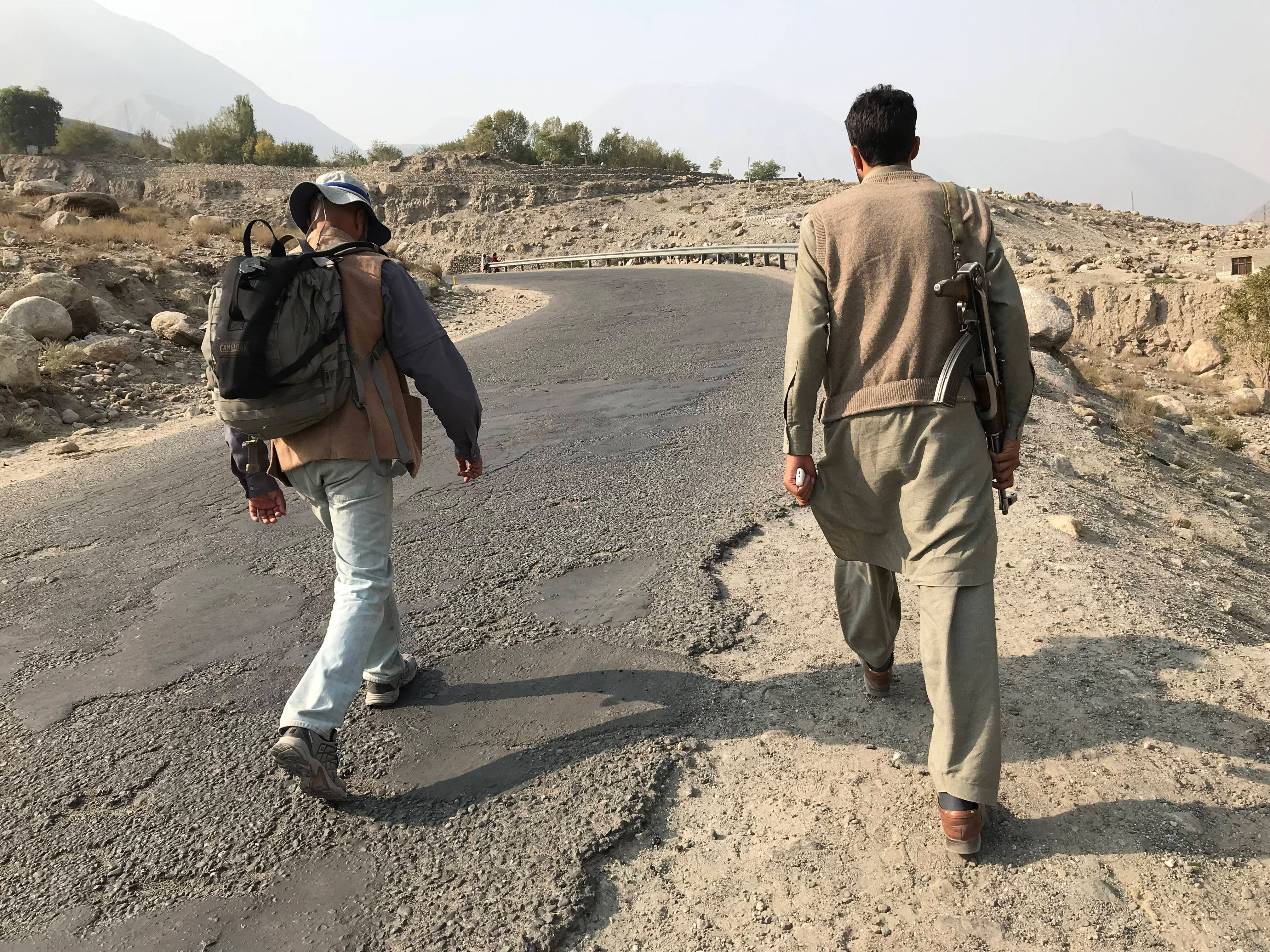
The Karakoram Highway in northern Pakistan offers a special challenge.
The fabled old trading road that connects China to Pakistan squeezes along the bottom of steep river canyons. Stepping away from its narrow tarmac—which buzzes with colorfully decorated trucks, with tractors, with scooters—is often physically impossible.
Except for the grace of canals.
Video by Paul Salopek
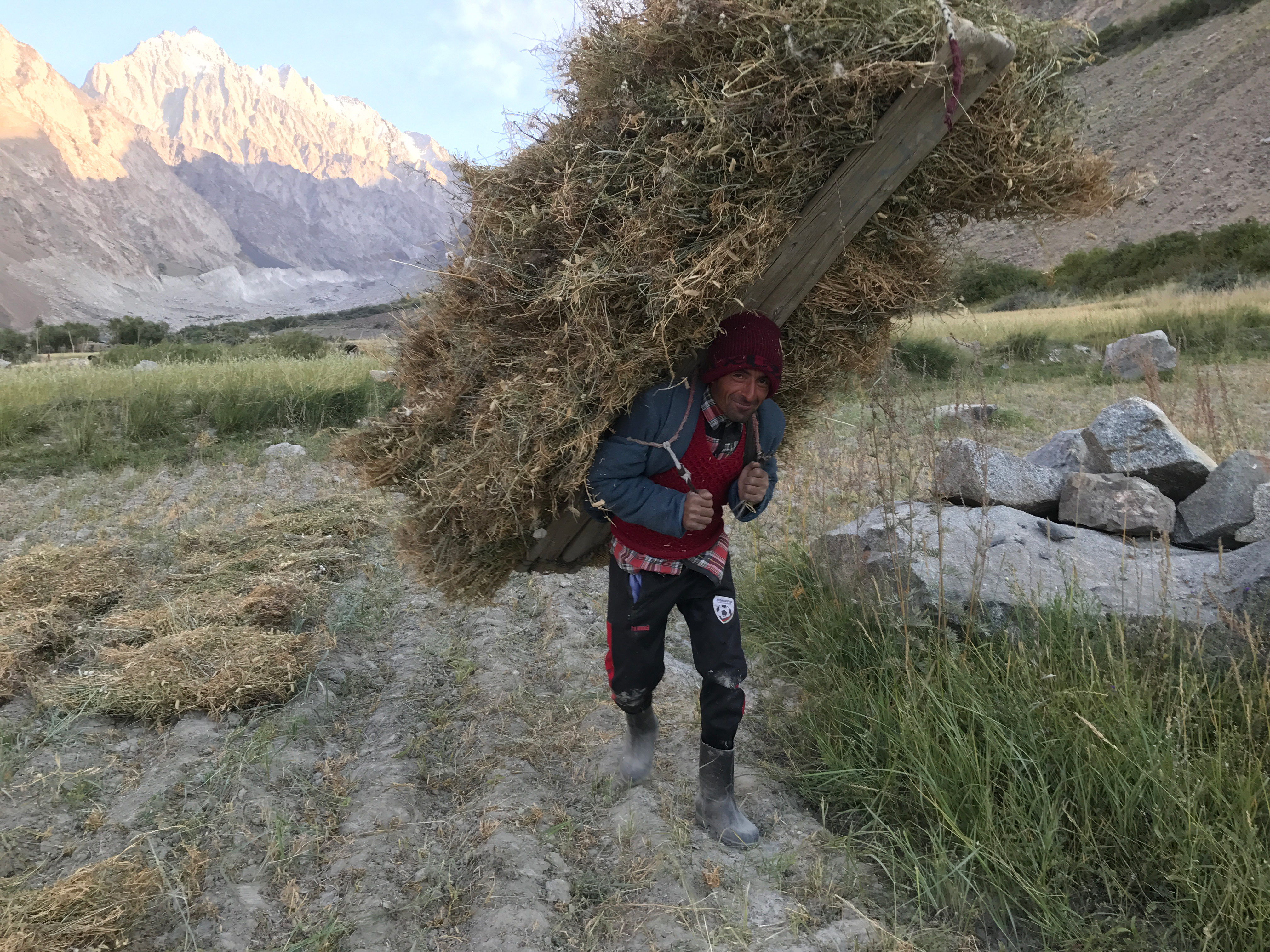
Hand-dug by mountain farmers, these clever waterways channel water from some of world’s biggest glaciers to small fields of pumpkins and wheat. To reach them, you must totter across footbridges that swing high above frothing rivers. You must risk dead ends and backtracking. The reward: Undaunted by the noise and stink of a car road, you drift south toward the plains of Punjab, to the steaming Indian Ocean, guided by an armada of floating, golden poplar leaves.