For the past 672 days I have been walking across Central Asia.
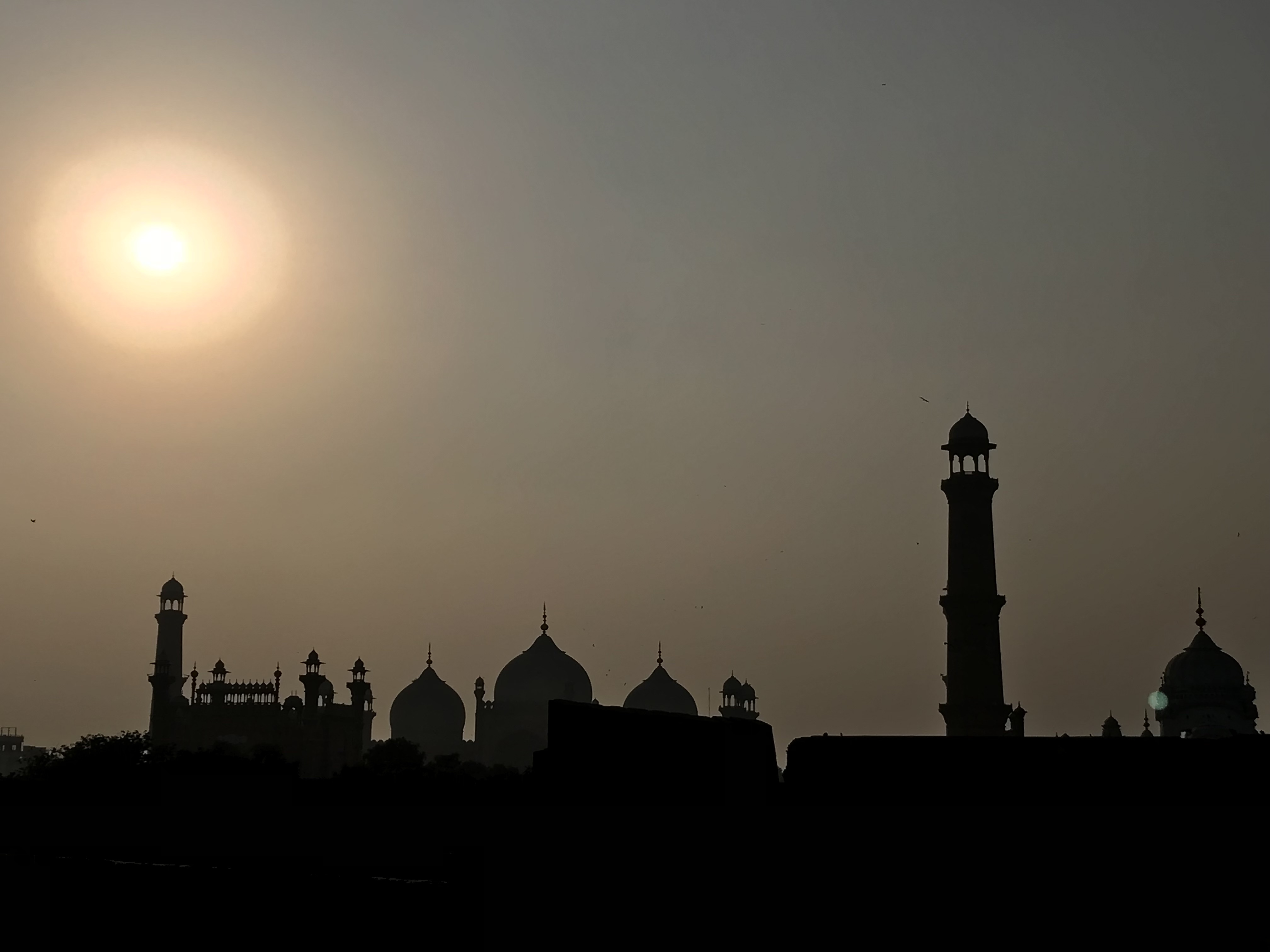
Since bumping across the green waves of the Caspian Sea on a cargo ship bound from Azerbaijan to Kazakhstan, the Out of Eden Walk project has been following the trade corridors of the Silk Road, eastward into the heart of the world’s largest continent.
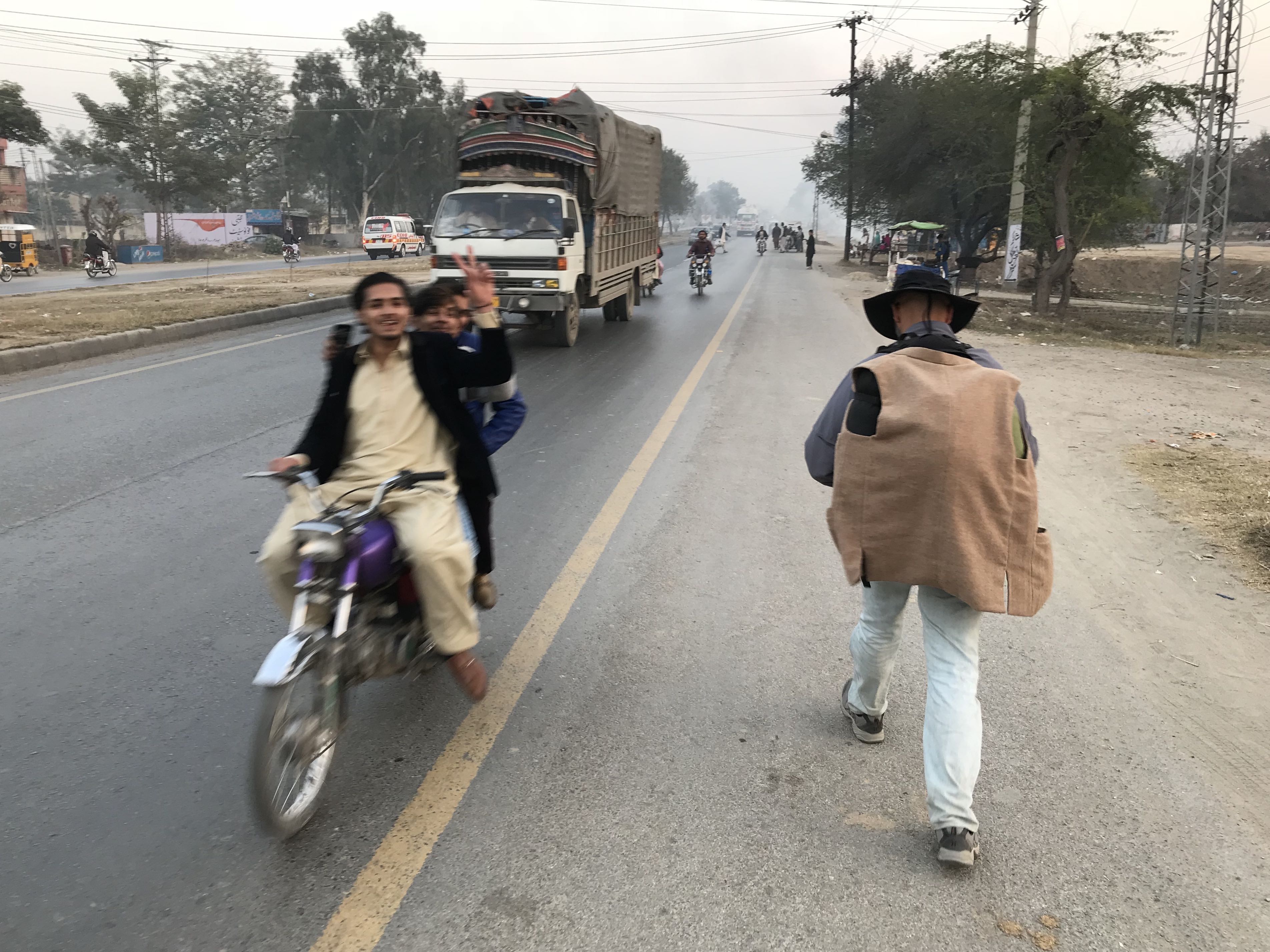
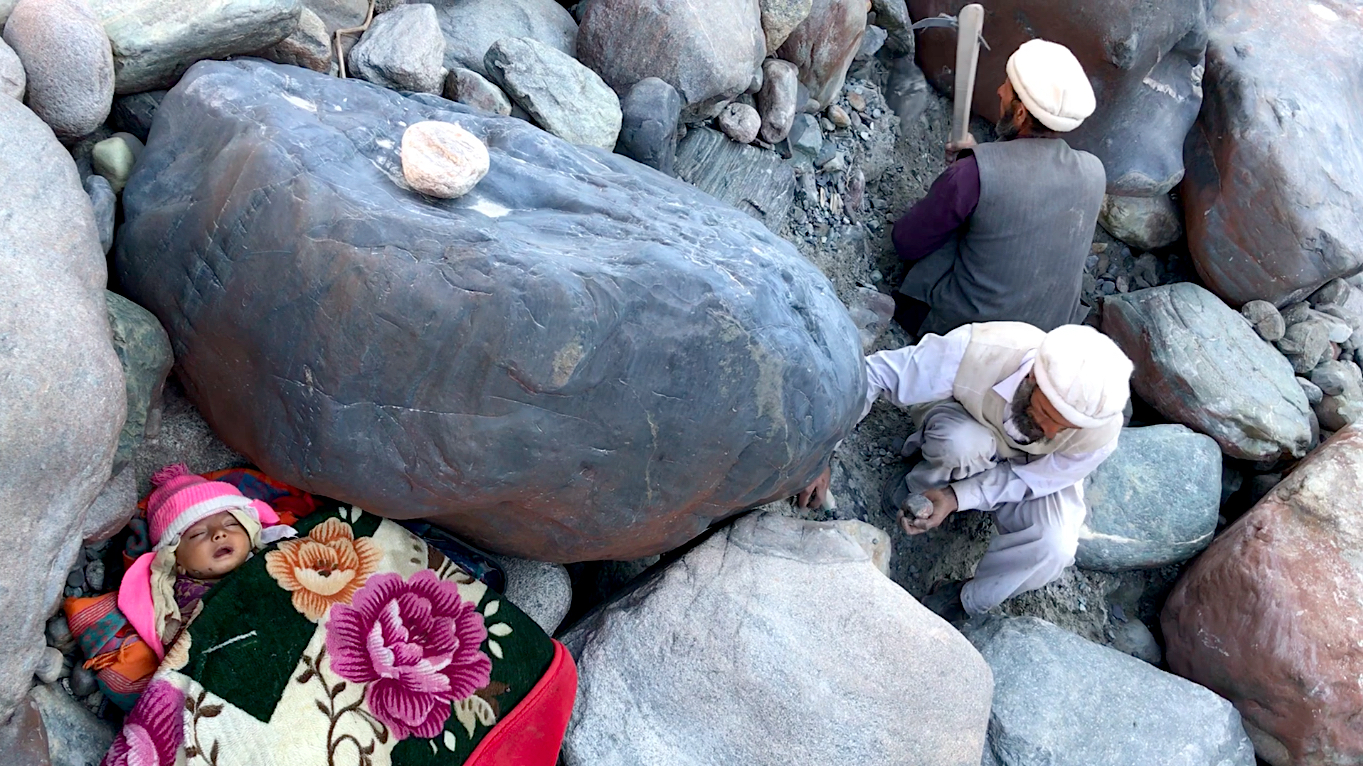
I have navigated by compass among horizons of rippling grass in Kazakhstan. I have balanced atop the rusting steel threads of old Soviet railroad tracks for hundreds of miles through the deserts of Uzbekistan. I have climbed 15,000-foot passes in the forbidding Karakoram range that walls off remote northern Afghanistan. And now, after tumbling at last out of Himalayan valleys and onto the lush plains of the Punjab plateau, it is time to turn another page on a foot journey that is slowly connecting the ghostly campfires of the ancestors who first discovered our world back in the Stone Age. An immensely long Silk Road chapter of the Out of Eden Walk ends. And a new phase of the trek, called Riverlands, now begins.

This marks the spot where one geological plate of the planet ends and another begins.
Paul Salopek
As in most journeys, no tidy line demarcates such transitions. After all, the old Silk Road continues on into India and beyond. Yet the western Himalayas form a concrete biological and human frontier. Different peoples, histories, landscapes, and concerns divide the high and sparsely populated world of Central Asia from the vast and densely populated river-cut plains that carpet the Indian subcontinent.
And so, a battered sign beside the Karakoram Highway in northern Pakistan offers as good a storytelling border as any: It announces to hurrying passersby the ancient impact point of two colossal shards of the Earth’s surface—the fault between the Eurasian and Indian tectonic plates that have been ramming together at this spot, triggering earthquakes for 55 million years.
Today a ramshackle traffic police checkpoint guards the scene of this primordial collision. Its young Pakistani officers took pity on my walking partner, Naveed Khan, and me on a recent hot day. They invited us into their humble barracks for tea: a good omen for the start of the next leg of the walk across northeastern Pakistan, India, Bangladesh, and Myanmar to the edge of distant China.
This marks the spot where one geological plate of the planet ends and another begins.
Paul Salopek
As in most journeys, no tidy line demarcates such transitions. After all, the old Silk Road continues on into India and beyond. Yet the western Himalayas form a concrete biological and human frontier. Different peoples, histories, landscapes, and concerns divide the high and sparsely populated world of Central Asia from the vast and densely populated river-cut plains that carpet the Indian subcontinent.
And so, a battered sign beside the Karakoram Highway in northern Pakistan offers as good a storytelling border as any: It announces to hurrying passersby the ancient impact point of two colossal shards of the Earth’s surface—the fault between the Eurasian and Indian tectonic plates that have been ramming together at this spot, triggering earthquakes for 55 million years.
Today a ramshackle traffic police checkpoint guards the scene of this primordial collision. Its young Pakistani officers took pity on my walking partner, Naveed Khan, and me on a recent hot day. They invited us into their humble barracks for tea: a good omen for the start of the next leg of the walk across northeastern Pakistan, India, Bangladesh, and Myanmar to the edge of distant China.

Pakistani traffic police pause for a tea break at the meeting place of two continents—Eurasia and India.
Paul Salopek
To commemorate the thousands of eventful miles logged across Central Asia, our friends at Esri, a leading geo-spatial mapping company, have created a richly informative and beautiful storytelling map of the Out of Eden Walk’s roughly 2,400-mile-long trail along the Silk Road. Use this map to look back along the walking route through four Central Asian countries—complete with GPS-tagged text stories, photos, and videos. And keep your eye out for more such Esri-produced Out of Eden Walk maps in the future.
Onward.