Freedom of movement is a human right so basic that it hardly warrants appreciation.
Yet this hasn’t always been the case. In the Pleistocene, the first humans who radiated out of Africa were stymied by obstacles such as seas and deserts and, possibly, by competing species of hominids. And even in today’s age of microwaved food at 30,000 feet, there remain serious travel constraints. Borders. Checkpoints. Passports. Soldiers. Immigration Police.
The Out of Eden Walk project is geo-tagging every police stop on its global walking route to illustrate, in a small, anecdotal, and highly unscientific way, the mutability of freedom of movement through space and time.
Walking in a motorized world draws special attention from security forces. The tally of “Out of Eden Walk” police stops so far: Ethiopia, 3; Djibouti, 1; Saudi Arabia, 6 (the walkers were, in fact, under loose but constant surveillance all the time); Jordan, 7 (the route skirted the sensitive Israeli border); Palestinian Territories, 5; Israel, 2: Cyprus, 1; and Turkey, 17 (a tense year in the Kurdish region).
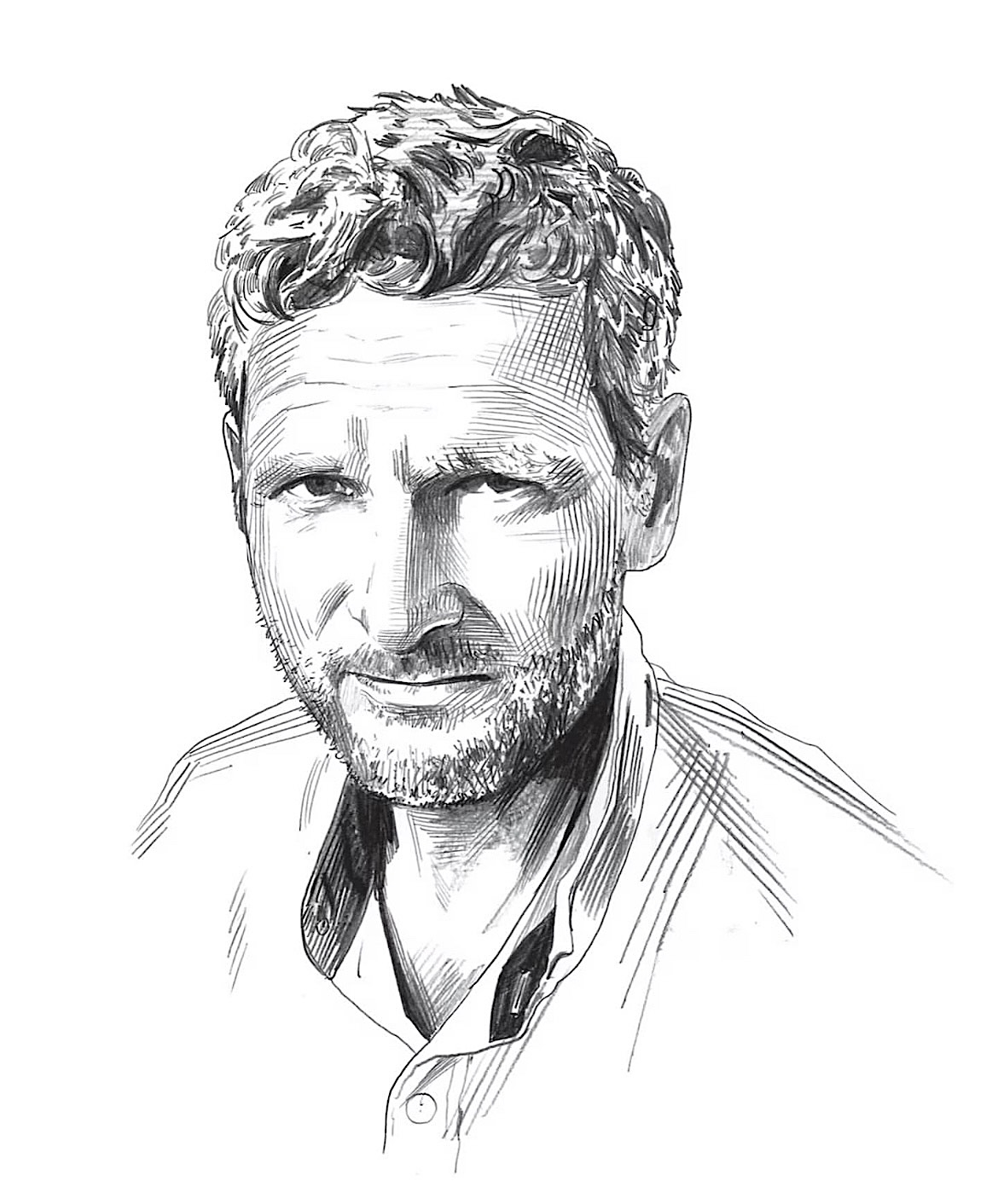
This map is imperfect: Paul Salopek recognizes that he is a privileged rambler, backed by documents and institutions.
Even so, his periodic encounters with police — friendly, indifferent, and belligerent — attest to a wider truth. In an era when more people than ever are migrating across the planet, where we are stopped, and why, are key elements of our journey.