Fushun, Liaoning Province, China: 41° 50' 06" N, 123° 51' 11" E
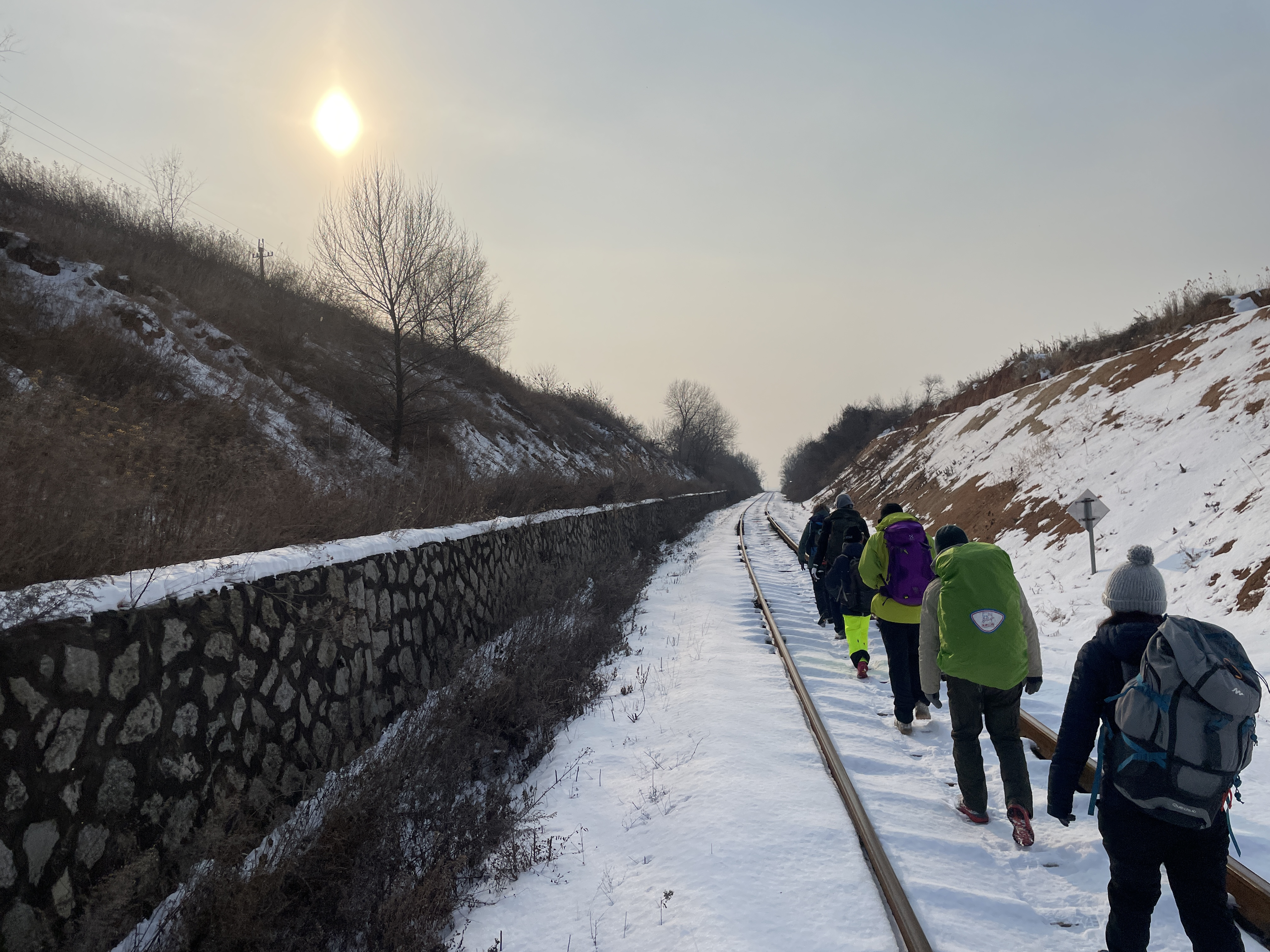
We are walking among black stones. They litter the roadsides in ragged chunks, in shards, like dark shrapnel. Like cinders rained down from some titanic explosion. A fine, inky powder dusts the paler soil of the landscape around. This charred material darkens my walking shoes: It is fossilized sunlight between 33 and 66 million years old, pulverized China coal.
We have trekked into the rusting industrial hub of northeast China: up to the very rim of the famous Fushun open-pit coal mine, once the largest of its kind in Asia.
Before it ceased most operations in 2019, the colossal Fushun mine grew to a gash almost seven kilometers long, two kilometers wide, and five-hundred meters deep. To stand on its lip and scan its dizzying vastness is like looking across the Grand Canyon of Arizona: Only here, the chasm is entirely human-made. It forms a monstrous grey divot in the landscape of the Manchurian plateau. More than a century of frenzied carbon extraction has destabilized the subsoil of the adjacent city of Fushun, leading in recent decades to landslides, buckled roads, and subsidence.
Squinting from the hole’s ledge, I spot insects crawling far below. These are the gigantic bulldozers pushing soil around to rehabilitate the mine site. Crews are planting grass and trees. The local government hopes to convert the Fushun pit into a tourist attraction. And why not? Do not other destinations attract visitors with tombs?
Vision of a monumental reclamation.
Out of Eden Walk
“The coal itself is a little warm to the touch,” says Wang Di, 33, a local miner who works at another coal mine in Liaoning Province, where Fushun is located. “The coal all used to be near the surface generations ago. But it’s deep underground now. I have worked in tunnels 800 meters down.”
Wang is the son and grandson of coal miners in northeast China, a fabled treasure house of minerals fought over more than a century ago by colonizing armies of Russians and Japanese, and later by the Communist and Nationalist factions of China’s civil war. As many as 25,000 men a year died excavating the black hole of Fushun during the brutal Japanese occupation in World War II.
Wang says he doesn’t want his six-year-old son to be a miner. “I’m proud of my family’s mining heritage, but I had no other opportunities,” he sighs. “I would prefer my boy to work in green technology.”
China burns more than half of all the coal consumed in the world. The government says it is committed to breaking its coal habit. Over the past two years of walking across China, I traversed solar farms that stretched as far as the eye could see—entire mountainsides armored in glittering panels. Like a Lilliputian Quixote, I wandered beneath mammoth wind turbines with blades spanning two football fields.
Yet despite such vast investments in renewable energy projects—solar, hydropower, wind—demand for electricity still outstrips supply. And recent drought years in the south of the country, throttling the generation of clean hydropower, have forced the government to build more coal electric plants.

Communist Party Chairman Mao Zedong inspects the huge Fushun strip mine in an old propaganda poster.
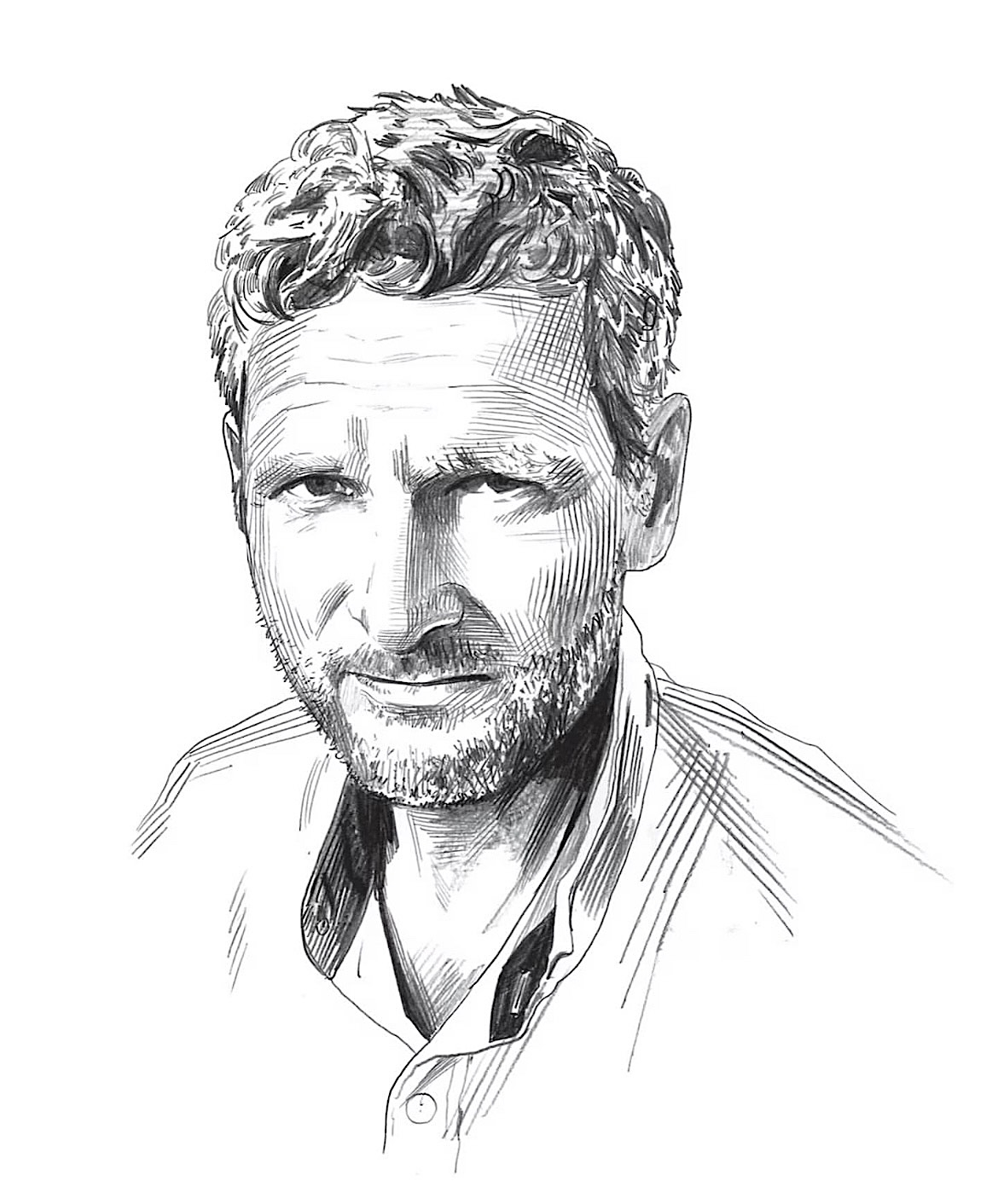
Paul Salopek
I have walked more than 25,000 kilometers across the planet on my storytelling project, the Out of Eden Walk.
From boot level, I can attest that humankind has utterly transformed the Earth to meet our burgeoning appetites: horizonless panoramas of machine agriculture, concrete-entombed rivers, wild forests scalped long ago for construction materials, and watersheds pumped dry to quench our thirst. But I never have seen a wound as pitiless as the Fushun pit.
I reel away from the shut mine. Twenty-five thousand men a year. Not a hole in the ground. A tear in the universe. With my fingers, I rake up handfuls of wild rosehips from the climate-warming forests of Liaoning. I hold their bitterness in my mouth.